
Table of contents
2 – Questions about how they work
3 – Questions about your specific product
4 – Questions about time
5 – Questions about money
6 – Questions about shipping and duties
7 – The questions that reveal the most
8 – When you’d rather not run the interview yourself
9 – Frequently asked questions
TL;DR — The right questions to ask a clothing manufacturer are the ones that are hard to answer with a brochure: how they work, what’s hard about your specific product, when they can start, what the deposit covers, and who handles shipping and duties. But the question is only half of it. What tells you whether a workshop is worth your time is the answer: a strong one is specific and admits difficulty, while a weak one is smooth, general, and says yes to everything.
There are plenty of lists of questions to ask a clothing manufacturer. This guide does something different. It gives you the questions, but it spends most of its time on the harder part: how to tell whether the answer you get back is a good one.
Any manufacturer can field a checklist of questions with easy, reassuring replies. The ones worth working with give you something more useful: specifics, honest caveats, and the occasional “that part will be difficult.” The ones to avoid stay smooth and general no matter what you ask.
So this guide pairs each question with how to read the reply. What a strong answer sounds like, and what a vague one is quietly telling you.
It works best once you have a shortlist and a first call booked. If you’re not there yet, our guide on how to find a clothing manufacturer comes first, and if you already know what you need from a clothing manufacturer, these are the questions that test whether they can deliver it.
Why the answer matters more than the question
A question is easy to find and easy to ask. Reading the answer is the part that takes judgment, and it’s where this guide spends its time.
The principle underneath every question below is simple. A manufacturer who does your kind of work every week answers narrow questions with narrow answers. They reach for a number, a timeframe, a specific detail about your product. A manufacturer who doesn’t stays general, because general is all they have.
So as you go through these, listen less to whether the answer is yes, and more to how specific it is. Specificity is the signal. Reassurance isn’t.

One thing to hold onto before you start. You’re not trying to catch anyone out. You’re giving a good workshop the chance to show you it knows your product, and giving a weak one the chance to reveal that it doesn’t.
Questions about how they work
Start here, because the answers sort serious workshops from the rest faster than anything else. Both of these should produce a specific reply within a sentence or two.
“Do you work CMT or full package?”
This asks who buys the materials. In CMT (cut-make-trim) you supply the fabric and trims and they supply the labor; in full package they source everything and quote one price per garment. The answer shapes your budget and how much sourcing lands on you, so you need it clear from the first call.
A strong answer names the model they run, and tells you what they need from you in each case. “We work full package, so send the tech pack and we source the fabric. We also do CMT if you supply the cloth, minimum forty pieces per color.”
A weak answer is “both, whatever you prefer,” with nothing about what changes between them. It usually means they haven’t thought about which model fits your order, or they’ll decide once your deposit clears.
“What’s the minimum, and where does it come from?”
The second half of that question is the one that matters. A minimum on its own tells you little. A minimum with a reason attached tells you the workshop understands its own supply chain.
A strong answer ties the number to something physical. One workshop we work with puts its minimum at forty garments per color, because that’s the smallest roll its mill will sell. That’s a number you can plan around.
A weak answer is a figure with no logic behind it, or a minimum that shifts around during the conversation. If they can’t say why the number is what it is, they may not know their own costs.
You don’t need to be an expert to judge these. You’re only checking whether the reason makes sense, not whether it’s the reason you hoped for.
Questions about your specific product
These are the highest-signal questions in the whole conversation, for one reason: a brochure can’t answer them. A generic reply to “what’s hard about my product” is itself the answer, because a workshop that makes your kind of garment already knows where it gets difficult.
“What’s the hardest part of making this?”
Ask this after you’ve shared your design or your tech pack. It hands the workshop a chance to show you it has actually looked at your product, rather than at your order size.
A strong answer points at something real. The collar construction, a fabric that frays, a seam that won’t sit flat, a hardware choice that needs a specialist. They’ve made things like this before, and they know where it goes wrong.
A weak answer is “no problem, we can do everything.” Every garment has a hard part. A workshop that can’t name yours either hasn’t looked closely, or hasn’t made enough of your kind of product to know.
This question does double duty. It tests their expertise, and it surfaces the real risks in your product early, while there’s still time to plan for them.
“What would you change to make it work better, or cost less?”
This one separates a supplier from a partner. A supplier builds exactly what you send. A partner tells you when a small change would save money or improve the result, and offers the alternative.
A strong answer comes with a suggestion. A different lining that behaves better, a construction that costs less without changing the look, a trim that’s easier to source. We’ve had calls where a producer proposed a fix to an unmakeable detail on the spot, and the client accepted it in minutes.
A weak answer is “we’ll make whatever you want.” Compliant, but it means you carry every design risk alone, and you won’t hear about a cheaper or better way until it’s too late to use it.
Be a little careful reading this one. You want a maker with opinions about construction, not one who wants to redesign your product. The best answer respects your brief and improves how it’s built, rather than replacing what you asked for.
Questions about time
Timing questions are where optimistic answers do the most damage, because you build a season around them. The goal here is to separate the number you want to hear from the number that’s real.
“When could you start, and how long does production take?”
Ask for two numbers, not one. Most brands ask only how long production takes, hear a comfortable figure, and forget that a busy workshop might not be able to start for weeks. What matters is both numbers added together.
A strong answer gives you a start date and a duration separately, and sounds realistic rather than eager. Something like a first prototype in five to six weeks when the structure has to be developed, then production after approval. Real timelines have stages.
A weak answer is a single fast number with no start date, or a promise that sounds too good next to everyone else’s. “Two weeks” when three other workshops said six is not good news, it’s a workshop telling you what you want to hear.
“What has delayed a production like mine before?”
This is a quiet honesty test. You’re not asking whether they have delays. Everyone does. You’re asking whether they’ll tell you about them.
A strong answer is a specific, slightly unflattering story. A fabric that arrived late, a trim that had to be re-ordered, a sampling round that needed repeating. It means they’ve run real productions and they’ll keep you informed when something slips.
A weak answer is “we never have delays.” No workshop that has made anything at volume can say that honestly. It usually means you’ll hear about a problem only once it’s already too late to fix.
The pattern across both questions is the same one running through this whole guide. Honesty about difficulty is a good sign, and a frictionless answer is the thing to be wary of.
Questions about money
These aren’t questions about price. They’re questions about how a workshop handles money, which tells you what happens when something goes wrong, and whether there are costs you haven’t been shown yet.
“What does the deposit cover, and what happens if the sample fails?”
A deposit is normal, and a fair one protects both sides. What you’re testing is whether they’ve thought through the awkward case: you pay, and then the sample doesn’t work out.
A strong answer comes without hesitation, because they’ve had the conversation many times. A common structure is a deposit that reserves your slot in the production calendar and is then deducted from the final total, with sampling costs handled separately.
A weak answer is vague about what the money is for, or evasive about what happens if you stop after a failed sample. If they can’t explain it simply, they either haven’t thought it through, or they’d rather you didn’t ask.
“What’s not included in this quote?”
This is the single most useful money question, because it surfaces the costs that turn a good-looking quote into an expensive one. You’re inviting them to show you the extras now rather than on the invoice.
A strong answer lists the things a quote often excludes: sampling and prototyping, shipping of your materials to the workshop, fabric on a CMT job, duties, and any specialist trims. A workshop that volunteers these is one that plans openly.
A weak answer is “that’s everything,” on a quote that’s clearly too clean. Costs that appear later, after you’ve committed, tell you how the rest of the project will be priced.
You don’t need to negotiate any of this on the call. You’re just checking whether the full cost is being shown to you upfront, or revealed piece by piece.
Questions about shipping and duties
This is the phase brands forget to ask about, and it’s the one that produces the nastiest surprises. A finished order sitting in customs, or a duty bill nobody budgeted for, can undo a clean production. The questions are simple, but someone has to own the answers before anything ships.
“On shipping, I always ask two things first: who books the transport, and who prepares the customs documents. Those two need an owner before anything moves. Then insurance, whether it’s included in the price or charged as an extra. And if it’s an extra, how much it costs and what it actually covers, because a cheap policy that only covers part of the value isn’t real protection.”
That gives you the three questions to put to any manufacturer before you commit.
- Who books the transport? Sometimes the workshop arranges it, sometimes they expect you to. Either can work, but it needs deciding, not assuming.
- Who prepares the customs documents? The paperwork that clears your goods for export and import. If nobody owns it, your order is the thing that waits.
- Is insurance included, or an extra? And if it’s an extra, what does it actually cover? A policy that only covers part of the value isn’t much protection when a shipment is lost or damaged.
A strong answer assigns each task to a person or a party without fuss, and is precise about what insurance does and doesn’t cover. It’s the sound of a workshop that ships internationally as a matter of routine.
A weak answer is a shrug, or “we’ll sort it out later.” Shipping and customs sorted out later is shipping and customs going wrong, usually with your order stuck somewhere and no clear owner to call.
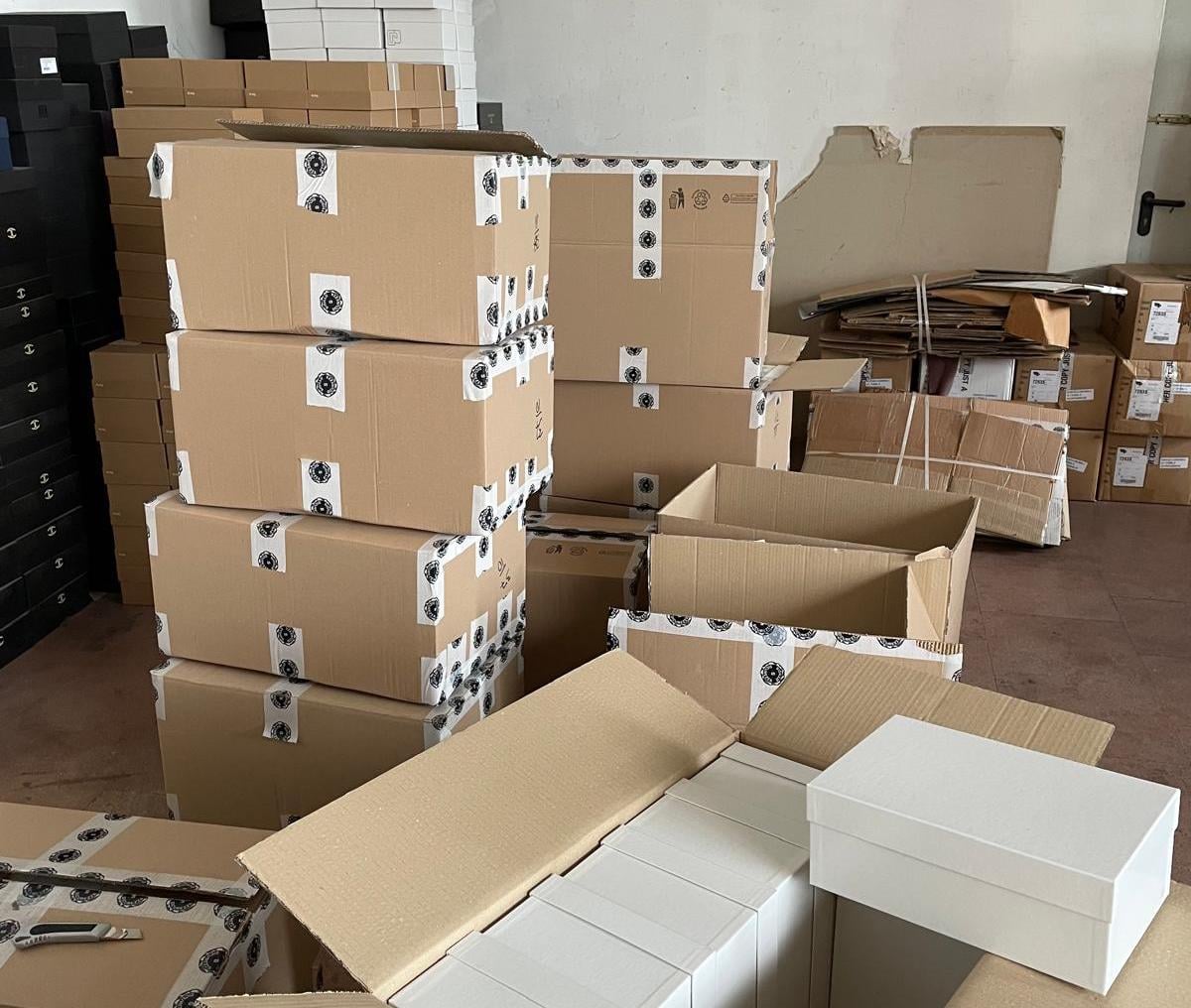
One more term worth knowing: the importer of record, the party legally responsible for the goods entering the destination country and for paying any duty. Ask who that is. If the answer is you, that’s fine, as long as you knew before the container left.
The questions that reveal the most
If you only remember a handful, make it these. They carry the most signal for the least effort, and a workshop’s answers to them tell you most of what you need to know.
- “What’s the hardest part of making this?” A brochure can’t answer it, so the reply tells you whether they know your product.
- “What would you change to make it work better or cost less?” Separates a partner who improves your brief from a supplier who just fills the order.
- “What has delayed a production like mine before?” An honesty test. A specific story beats “we never have delays” every time.
- “What’s not included in this quote?” Surfaces the costs that turn a clean quote into an expensive one.
And underneath the specific answers, watch one more thing: how willingly they answer at all. The single most reliable signal isn’t any one reply. It’s whether a workshop meets a narrow question with a narrow, specific answer, or retreats into reassurance every time you ask for a detail.
A workshop that answers openly, admits what’s difficult, and gives you real numbers is showing you how it will communicate for the whole project. So is one that stays vague. Both are telling you the truth about what working with them will be like.
The Manufacturer Questions Sheet
Every key question from this guide, with what a strong answer sounds like and what a red flag sounds like, side by side. Bring it to the call.
Download the question sheet (PDF)When you’d rather not run the interview yourself
Everything above assumes you’re making the calls, reading the answers, and judging them in real time. That’s a skill, and it improves with every workshop you talk to. The catch is that the learning happens on your own production, where a misread answer costs a season.
There’s another route. A managed production partner has already had these conversations, with workshops it talks to every week, so it knows which ones give straight answers about difficulty and which ones go quiet when a question gets specific.
That’s the work Italian Artisan does before you ever join a call. The questions in this guide have been asked already, the answers are known, and every production gets a project manager who has heard how a given workshop responds when something is hard.
You can still run the interview yourself, and this guide is how to do it well. But if you’d rather not learn to read the answers on your own order, that part can be handled for you.
Let someone who knows the answers ask the questions
Tell us what you’re making. We’ll match you with a workshop we already talk to every week, one whose answers about capability, timing, and cost we already know.
- The questions already asked — capability, minimums, timing, and hidden costs, checked in advance
- Workshops we know — across clothing, knitwear, bags, and shoes, chosen for your product
- A project manager on every order — who knows how each workshop answers when something is hard
No commitment.
Frequently asked questions
What questions should I ask a clothing manufacturer?
Ask how they work (CMT or full package), what their minimum is and where it comes from, what the hardest part of making your product is, when they can start and how long production takes, what the deposit covers, what’s excluded from the quote, and who handles shipping and customs. Then judge the answers on how specific they are, not on whether they say yes.
How do I know if a manufacturer’s answer is good?
A good answer is specific. It names a number, a timeframe, or a real detail about your product, and it admits when something is difficult. A weak answer stays general, promises there are no problems, and reassures you without telling you anything. Specificity is the signal to trust, not enthusiasm.
What’s the most important question to ask?
“What’s the hardest part of making this?” A brochure can’t answer it, so the reply tells you whether the workshop has actually looked at your product. A maker who knows your kind of garment can name the tricky part at once. One who says “no problem” either hasn’t looked, or hasn’t made enough of it.
Should I ask about price on the first call?
Ask what the deposit covers and what’s not included in the quote, rather than pushing for the lowest number. Those two questions reveal how a workshop handles money and whether there are hidden costs, which matters more early on than the headline price. You can negotiate the figure later.
What questions should I ask about shipping and duties?
Ask three things: who books the transport, who prepares the customs documents, and whether insurance is included or charged as an extra. If it’s an extra, ask what it covers. Also confirm who the importer of record is, meaning who is legally responsible for the goods and any duty at the destination.
How many manufacturers should I interview?
Two or three is usually enough to compare answers meaningfully. Asking the same questions of a few workshops shows you the range, so a vague answer stands out against a specific one. More than that adds coordination without adding much clarity, since the patterns tend to repeat.