

Italian shoe manufacturers for private label and luxury brands
Shoes made in Italy for your brand, each one a custom model built on its own last, from 40–50 pairs per style. Sneakers, boots, loafers, heels, and sandals from specialised Italian workshops, with a first prototype in 3–5 weeks and one project manager.
No commitment.
- 2,000+brands have produced with us
- 300+brands produce with us every year
- 285verified Italian manufacturers
- 40+client countries
Brands and companies we have produced for







What do Italian shoemakers do differently?
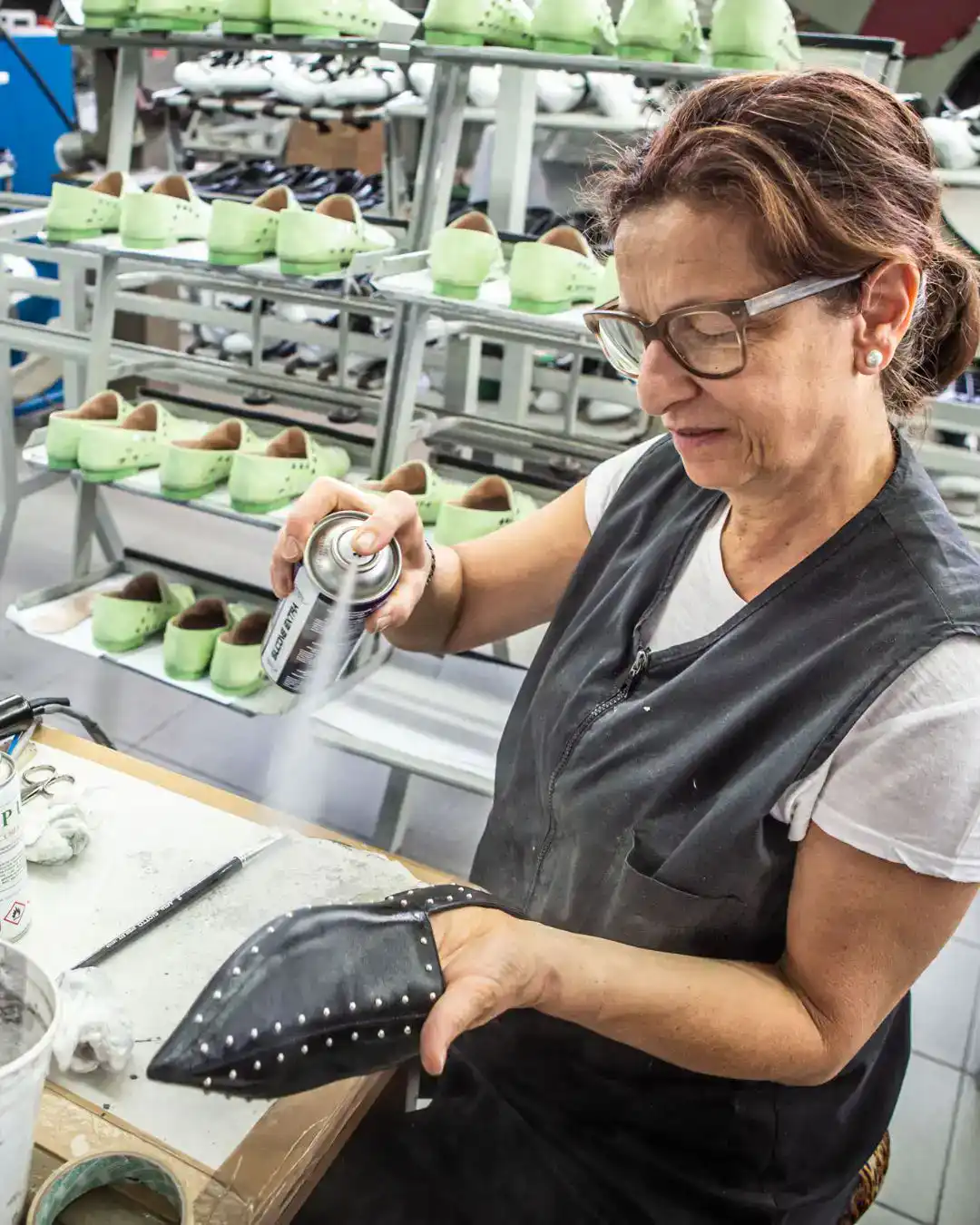
Italian shoemakers put their time into the parts of a shoe you feel but rarely see: the last, the sole, the way the upper is lasted and attached, and the fit trial before production. That's why Italian shoe makers are still the reference for brands that want a shoe to fit, walk, and last.
Our network covers specialised workshops in four footwear regions: the Marche, the Naples area, Lombardy, and the Veneto. Each one makes the same kind of shoe every day, so your model goes where that shoe is made best.
For a brand, that means fewer compromises: the shoe on your sketch can be made the way it should be, by people who already know how.
- The last comes firstEvery model starts from a last, the foot-shaped form the shoe is built on. It's developed or adapted for your toe shape, heel height, and fit.
- Soles chosen for the shoeLeather, rubber, or moulded soles, chosen for the construction and for the way the shoe will be worn, not only for the look.
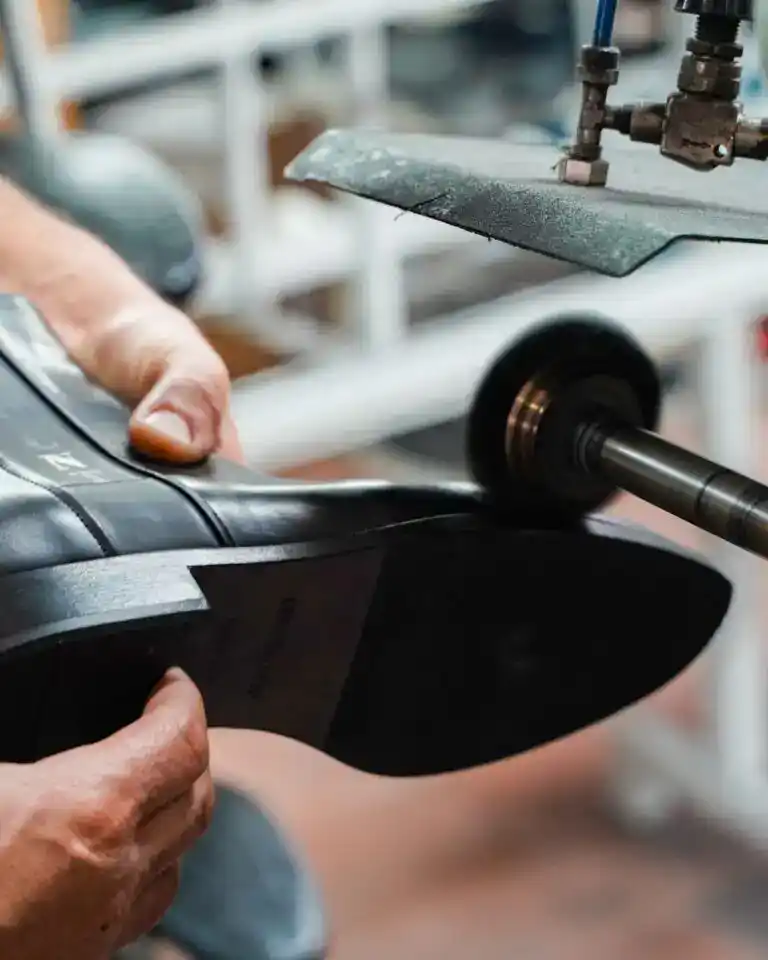
- Lasting and assemblyThe upper is pulled over the last and fixed to the insole, the step that sets the final shape. Experienced lasters do it pair after pair.
- A fit trial on a half pairBefore a full sample, the workshop can make a single shoe in a sample size, such as 37 or 42, to check fit and proportions, so corrections cost less.
- Every constructionCemented, Blake, Goodyear welted, San Crispino, Strobel, and other traditional constructions, each made by workshops that specialise in it.
- Districts, not single factoriesLast makers, heel and sole makers, and tanneries work close to each other, so the parts of a shoe are developed together.
- Finishing by handEdges, soles, and uppers are finished and polished before the shoes are checked and boxed.
- Small runs, same careThe Italian shoe makers in our network take runs of 40–50 pairs per style, the size a growing brand actually needs.
Who is this shoe manufacturer for?
Brands that want shoes with the fit, construction, and finishing of Italian footwear, and a production partner that is still there for the sixth collection, like Hagelstam.
A good fit if you are
- An established brandMoving footwear production to Italy, or adding a made-in-Italy shoe line.
- An emerging brand with a planLaunching a first collection from 40–50 pairs per style, on your own last.
- A retailer or concept storeDeveloping a private label footwear range under your own name.
- A fashion house or designerAdding shoes to a ready-to-wear line without building a footwear team.
Not the right fit if you need
- Bespoke or made-to-measure shoes, one pair at a time.
- Fewer than 40 pairs per style.
- The lowest possible price per pair.
Which shoes do our Italian shoe manufacturers make?
Sneakers, boots, loafers, heels, sandals, and more, for women, men, and children, in every size. Each type goes to a workshop that makes it every day. These are the shoes brands ask us for most.
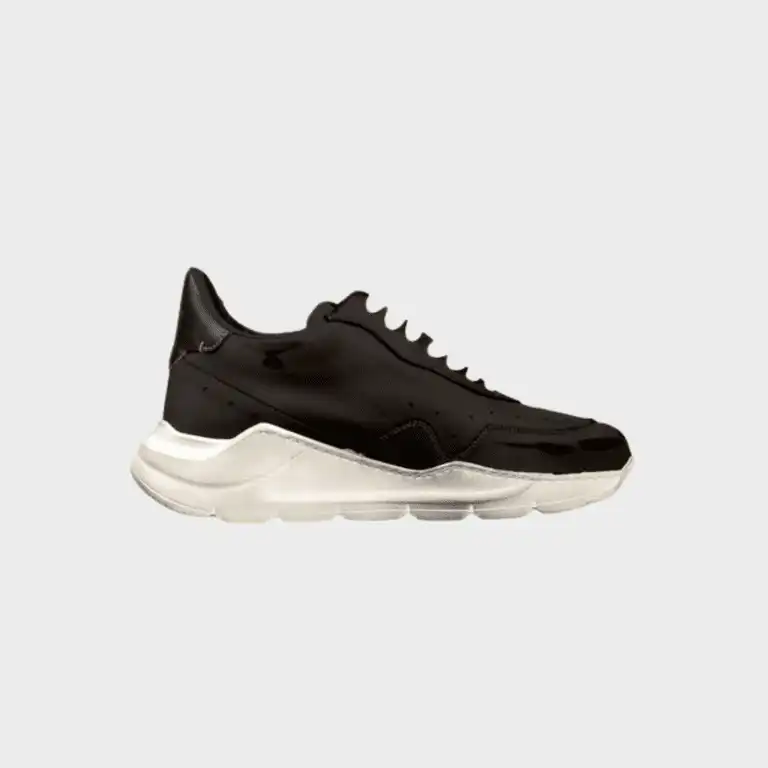 SneakersLow and high tops, cup soles, leather and suede.
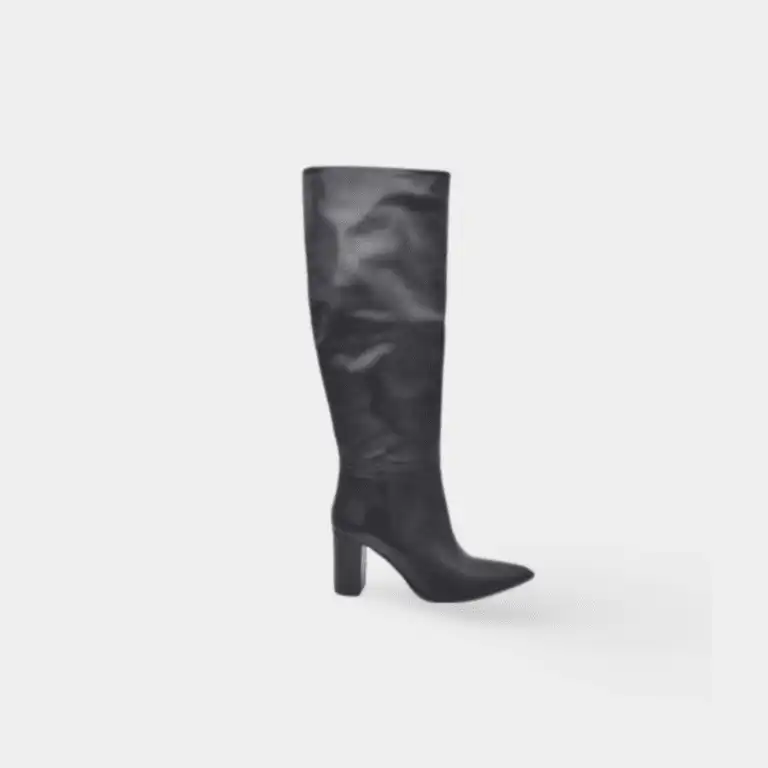 BootsAnkle, Chelsea, and knee-high boots.
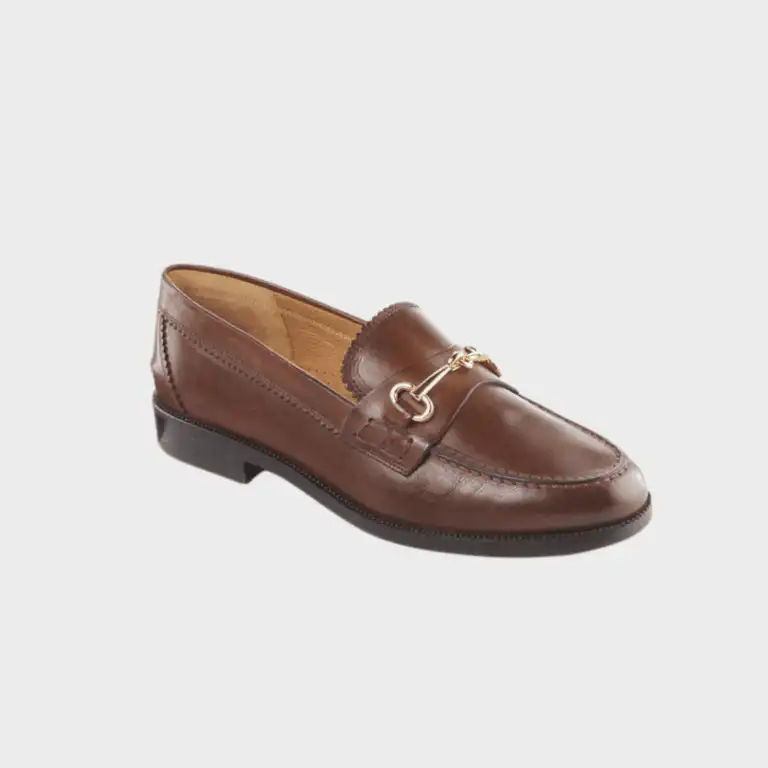 Loafers and moccasinsPenny, horsebit, and driving styles.
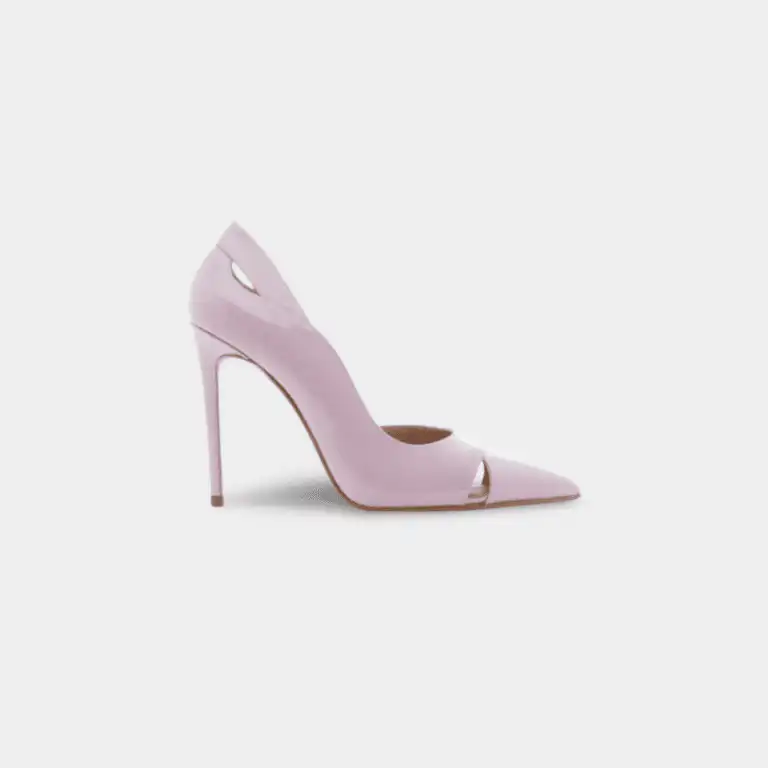 Heels and pumpsPointed, square, and block heels.
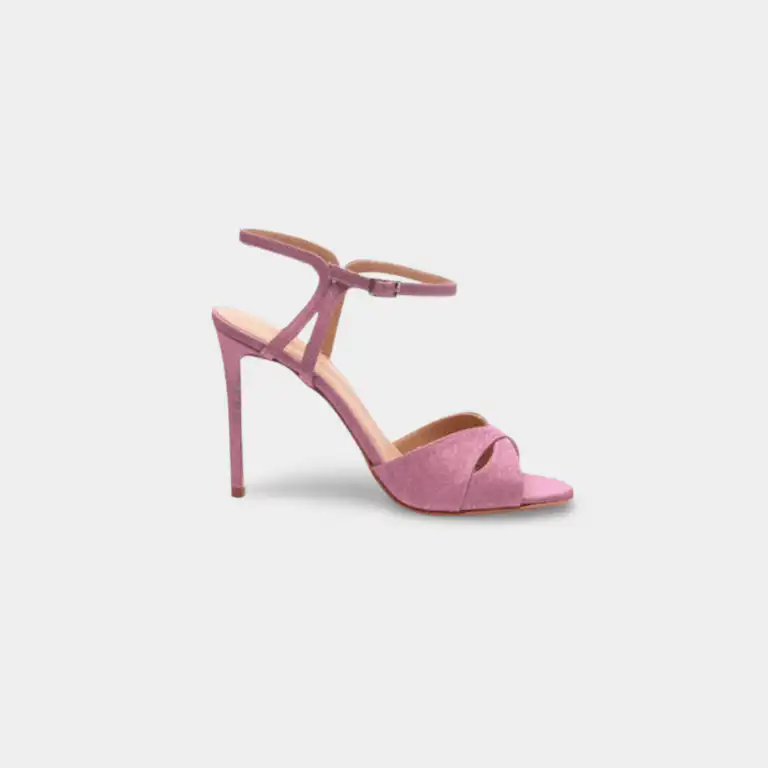 SandalsFlat, heeled, and strappy sandals.
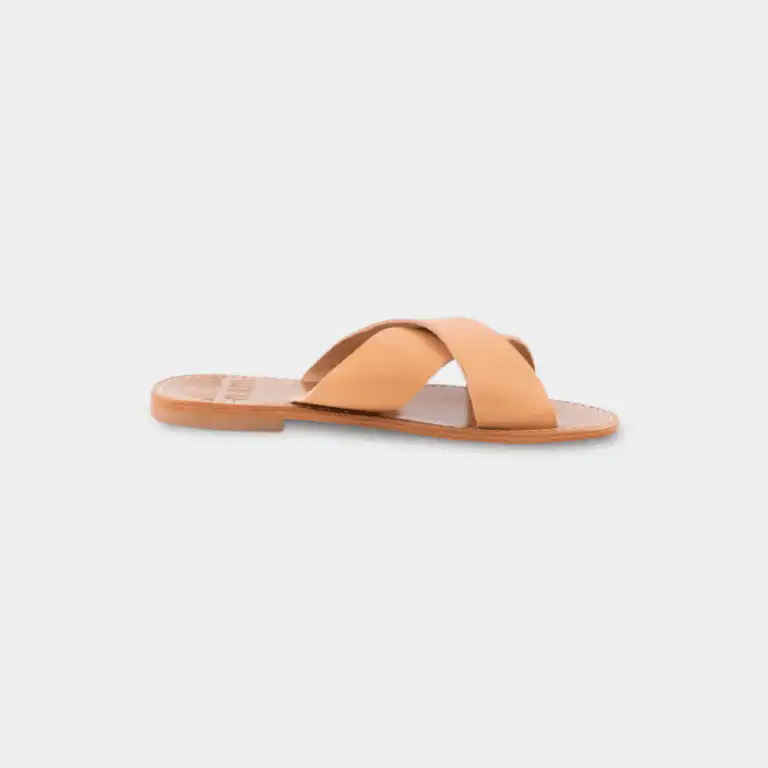 SlidesOpen slides and flat sandals.
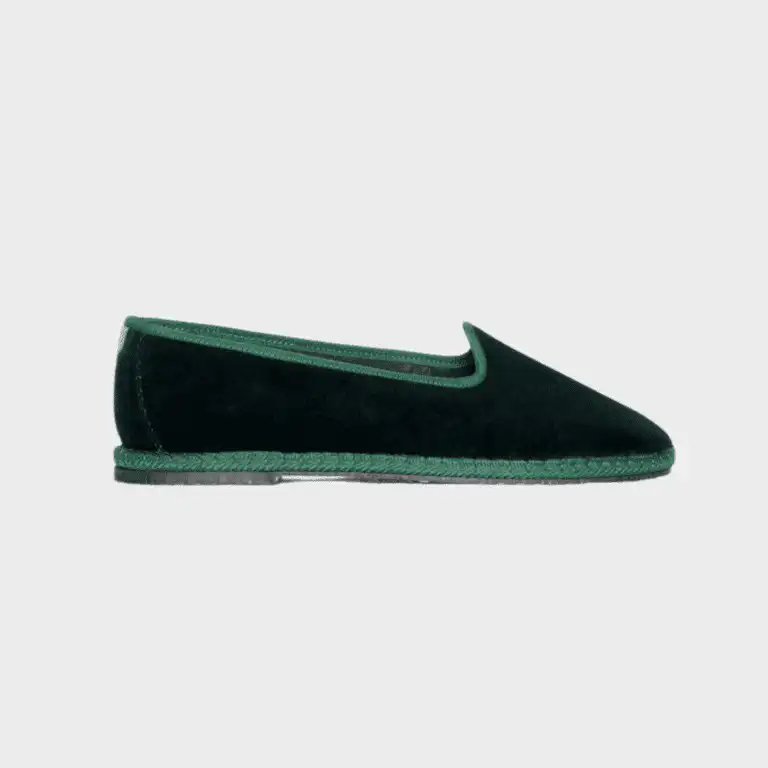 SlippersFriulane and indoor slippers.
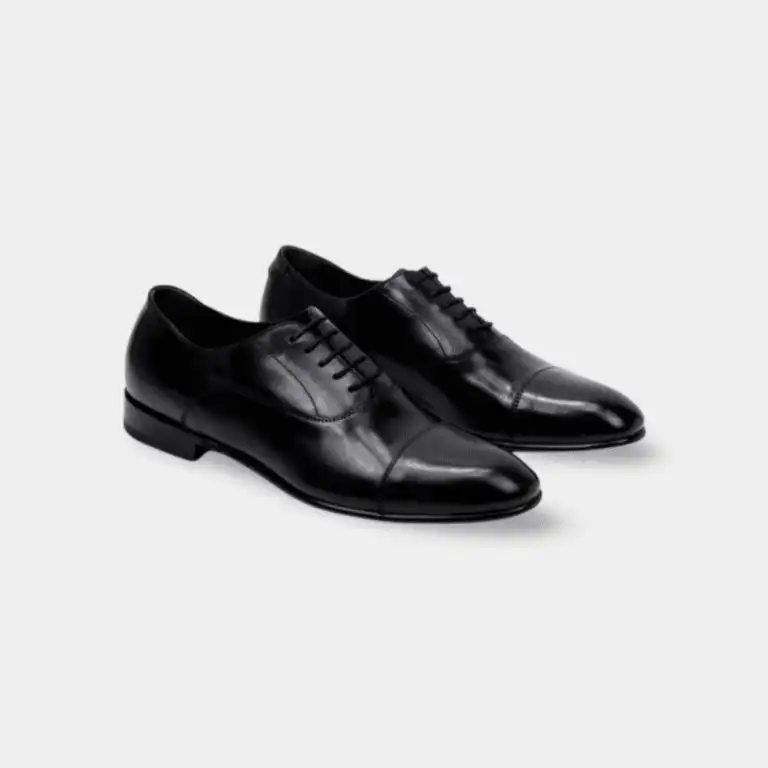 Dress shoesOxfords, derbies, and brogues for men.
How do we make each type of shoe?
Every type of shoe has its own last, construction, and price range. Here is what to expect for the styles we make most, for women, men, and children, with indicative prices per pair at 40–50 pairs per style.
Every model is a custom shoe made for your brand. The lists below show where each type usually starts, and what drives its price.
Sneakers and boots have their own constructions and price lists: we share them with your quote.
Heels and pumps
- StylesPointed, square, and peep-toe pumps and mules, from kitten heels to high heels.
- How they're madeA last developed for the heel height, a heel shaped for it, and a shank that keeps the shoe stable.
- Price per pair€70–90, €90–140, or €140+.
Ballet flats and slingbacks
- StylesSoft and structured ballerinas, Mary Janes, and slingbacks, in nappa, satin, and velvet.
- How they're madeLight constructions on a flat or low heel, often cemented or San Crispino for a soft, flexible shoe.
- Price per pair€60–80, €80–120, or €120+.
Loafers and moccasins
- StylesPenny, horsebit, and tassel loafers, and driving moccasins.
- How they're madeBlake or cemented loafers, and moccasin constructions where the upper wraps under the foot.
- Price per pairQuoted on your model: leather, construction, and sole decide the price.
Dress shoes
- StylesOxfords, derbies, brogues, and monk straps for men, in calf, suede, and polished leather.
- How they're madeBlake or Goodyear welted, on leather or rubber soles, with hand finishing on the upper.
- Price per pairClassic men's shoes €70–90, €90–140, or €140+.
Sandals
- StylesFlat, heeled, and platform sandals, with thin, wide, or crossed straps.
- How they're madeStraps cut and lined to hold the foot, on leather or rubber soles.
- Price per pair€30–50, €50–90, or €90+, for women's and men's sandals.
Slides
- StylesSingle and double-strap slides, on flat or moulded soles.
- How they're madeA simple upper on a shaped footbed, so most of the development goes into the sole.
- Price per pair€15–20, €20–40, or €40+. Slides need a higher minimum order than other shoes.
Slippers
- StylesVenetian friulane and indoor slippers in velvet, leather, and fabric.
- How they're madeSoft uppers on light soles, in rubber or leather.
- Price per pair€30–50, €50–90, or €90+.
Children's shoes
- StylesFirst steps to junior sizes: sneakers, sandals, ballerinas, and classic shoes.
- How they're madeFlexible soles and soft leathers, with chrome-free tanning on request.
- Price per pairQuoted on your model: leather, construction, and sole decide the price.
Indicative prices per pair for 40–50 pairs per style. Your final price depends on materials, construction, quantities, and finishes.
Private label footwear manufacturing: where do you start?
A private label shoe manufacturer makes shoes that you sell under your own brand. With us, every shoe is a custom model, built on its own last and made in Italy to your specifications.
There are two starting points, depending on what you already have.
A shoe tech pack describes the last, the heel and its height, the sole, the upper pattern, the materials and colours, and the branding on the sock, the sole, and the box. If you don't have one, we build it with you before the first prototype.
You already have a tech pack
- The right workshopWe match your shoe with the Italian workshop that specialises in its construction.
- Last and prototypeThe workshop develops or adapts the last and makes the prototype from your tech pack, in 3–5 weeks.
- ProductionOnce the sample is approved, production starts from 40–50 pairs per style and takes 3–6 weeks.
You start from an idea, a sketch, or a reference shoe
- Design and tech packWe develop the design and the tech pack with you: last, heel, sole, and materials.
- Last and prototypeA first prototype in 3–5 weeks, then fit corrections until the shoe is right.
- Then productionAfter your approval, production takes 3–6 weeks.
Which leathers and materials can you use?
Almost any. Most of the shoes we make are in calf leather, but suede, patent, velvet, exotic leathers, and technical fabrics are just as common in our workshops. LWG-certified leathers and chrome-free tanning are available on request. The upper sets most of the price and the feel of a shoe, so it's the first choice we make with you.
 Smooth calf
The classic upper, polished or matte.
Pumps, lace-ups, boots Nappa
NappaSoft and supple, it moulds to the foot.
Ballet flats, slingbacks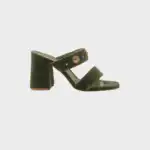 Suede and nubuck
Velvety hand, matte look.
Mules, loafers, boots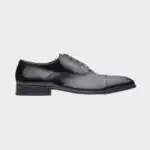 Patent and polished leather
High-shine finishes, polished by hand or patent.
Dress shoes, evening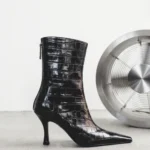 Embossed and exotic leathers
Croc and snake prints, or exotic skins with the documents your market requires.
Boots, luxury styles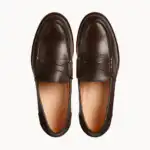 Vegetable-tanned leather
Firm hand, with a natural patina over time.
Loafers, welted shoes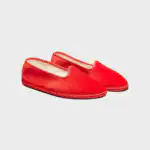 Velvet, satin, and textiles
Velvet, satin, canvas, and jacquard.
Friulane, flats, evening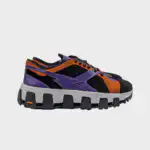 Technical fabrics and mesh
Mesh, nylon, and neoprene with leather overlays.
Sneakers
Why manufacture shoes in Italy?
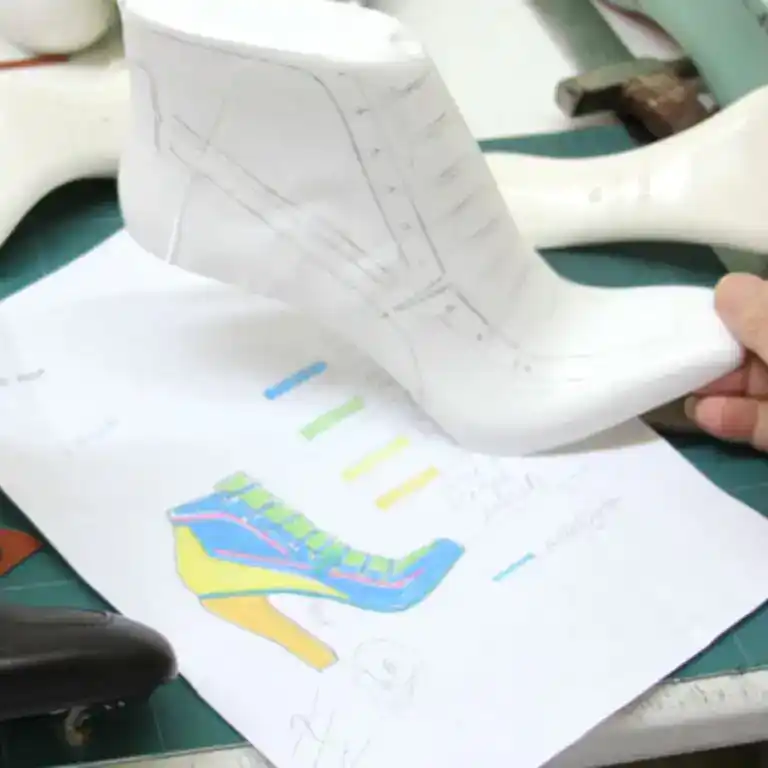
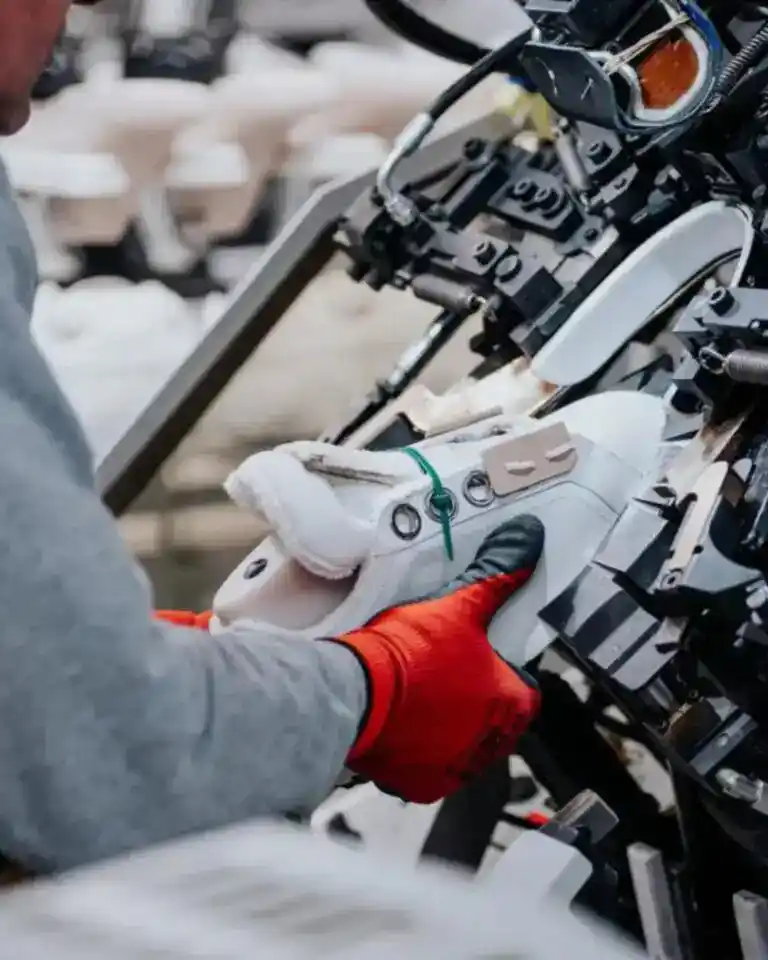
Because Italian shoes are still the benchmark your customers recognise, and because the footwear districts put last makers, heel and sole makers, tanneries, and workshops within a short drive of each other. Our Italian shoe manufacturers work in the Marche, the Naples area, Lombardy, and the Veneto. Each workshop is verified before it joins the network, and you can visit yours. Seeing your shoes on the last, in the workshop that makes them, is often the fastest way to agree on the details.
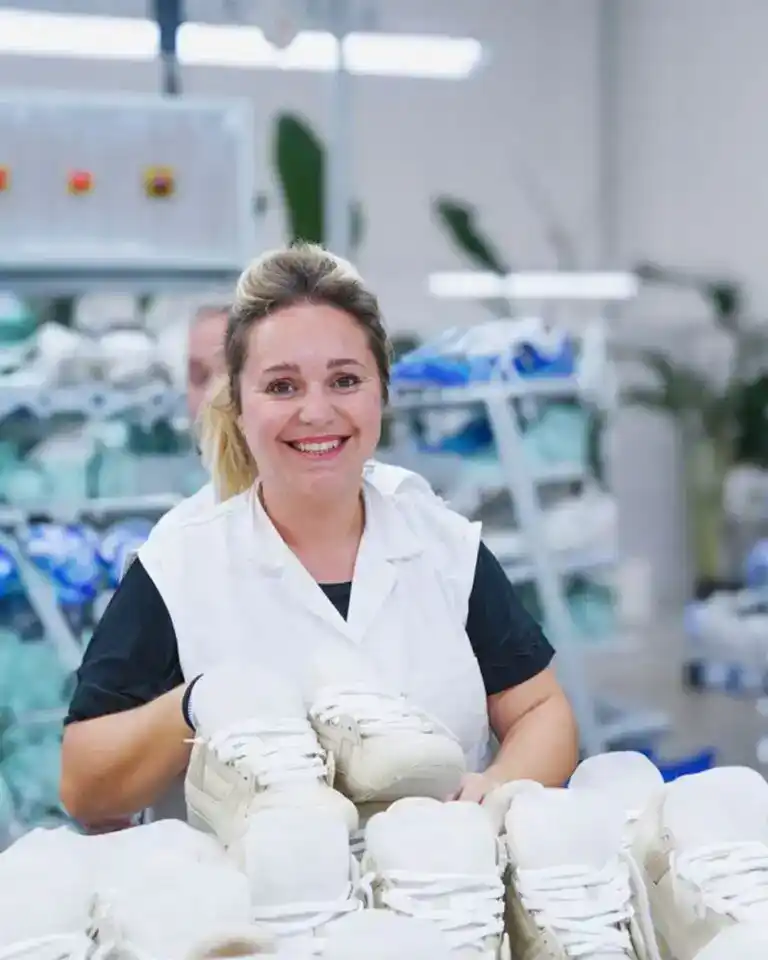
- Verified workshops only
- Workshop visits on request
- One project manager, in English
Italy has always been my first option to produce my brand's shoes because I like the way the footwear is manufactured in this country.
Cláudia M., CEO of Sarah Maier, Lisbon
What is the MOQ and price for shoes made in Italy?
Minimum order: 40–50 pairs per style, split across sizes. The tier depends on the leather, the components, and the work on each pair: tell us your target price, and we suggest the materials that keep you there. Women's pumps and men's classic shoes cost, per pair:
-
Essential
€70–90
per pair · 40–50 pairs
- Standard-grade leather
- Stock components
- Standard stitching
-
Premium
€90–140
per pair · 40–50 pairs
- Good-grade leather
- Stock components
- Fine stitching
-
Luxury
€140+
per pair · 40–50 pairs
- Good to top-grade leather
- Custom components
- High-end stitching and specialised work
Ballerinas and slingbacks: €60–80, €80–120, or €120+. Sandals and slippers: €30–50, €50–90, or €90+. Slides: €15–20, €20–40, or €40+, with a higher minimum order. Indicative prices per pair for 40–50 pairs per style. Your final price depends on materials, construction, quantities, and finishes. The price per pair tends to drop from about 200–300 pairs per style.
No commitment.
How long does shoe production take?
A first prototype takes 3–5 weeks, and production 3–6 weeks once the sample is approved. Styles with custom heels, sole moulds, or Goodyear construction can take longer, and the districts close in August and over Christmas, so plan around them. Reorders of an approved style skip the prototype and go straight to production.
What about lasts, soles, heels, and construction?
The parts that decide how a shoe fits, walks, and lasts. All developed with you and checked in the workshop, in the same production.
Lasts and fit
- Your own last
- Adapted workshop last
- All sizes
- Fit trials on sample sizes
Constructions
- Cemented
- Blake
- Goodyear welted
- San Crispino
- Strobel
- Other traditional constructions
Soles and heels
- Leather soles
- Rubber and cup soles
- Custom heels
- Sole moulds
Finishing and branding
- Hand polishing
- Buckles in zamak or brass
- Logo on sock and sole
- Shoe boxes and dust bags
Cemented, Blake, or Goodyear: which construction is right for your shoe?
The construction is how the upper is joined to the sole. It changes the look, the weight, the flexibility, and the price of a shoe, so we choose it with you at the start.
We make all of them. If you're not sure which one suits your design, send a reference shoe and we tell you how it was made.
- CementedThe sole is bonded to the upper, with no stitching through it. Light, flexible, and clean-edged: the usual choice for heels, pumps, sandals, and most sneakers.
- BlakeUpper, insole, and sole are stitched together from the inside. Slim and flexible, with a close-cut sole: typical of loafers and Italian dress shoes.
- Goodyear weltedA welt is stitched to the upper and the insole, then the sole is stitched to the welt. Sturdier and resoleable: for men's dress shoes and boots.
- San Crispino, Strobel, and moreSan Crispino for soft, flexible shoes, Strobel for sneakers, where the upper is stitched to a fabric sock, plus moccasin and other traditional constructions.
How much does it cost to develop a shoe?
Development costs vary a lot from shoe to shoe, so we quote them model by model, with no fixed price list. What you can plan for is how they are built.
You can also order a prototype on its own, without committing to production.
Fixed costs are paid once per model, and the last and the moulds are reused on every run. When you reorder the same style, you pay for production only.
- PrototypeAbout 3× the final price per pair. It fixes the last, the shape, and the materials of your shoe.
- SampleAbout 2× the final price per pair, for the pre-production sample you approve before the run.
- The lastA one-off cost per model, quoted with your project. The last stays with your project for future collections.
- Sole moulds and toolingMoulded soles, heels, and similar tooling are one-off costs too, quoted per model and reused on every run.
How do we check the quality of your shoes?
Production is checked against the sample you approved, at the stages where a problem is cheapest to fix. Your project manager shares what the checks find before the shoes leave the workshop.
- UppersLeather, cutting, and stitching are checked before lasting, so a defect is caught before the shoe is built.
- LastingShape, symmetry, and the toe and heel lines are checked against the approved sample.
- Soles and heelsSole alignment, bonding or stitching, and heel fixing are checked during production.
- Finishing and packingEdges, colour, cleanliness, and logo are checked, then the shoes are boxed for shipping.
Who manufactures shoes in Italy with Italian Artisan?
Two footwear brands that develop and produce their shoes in Italy with us: Hagelstam, a luxury heels brand from London and Helsinki, and Sarah Maier, a luxury footwear brand founded in Lisbon in 2020.
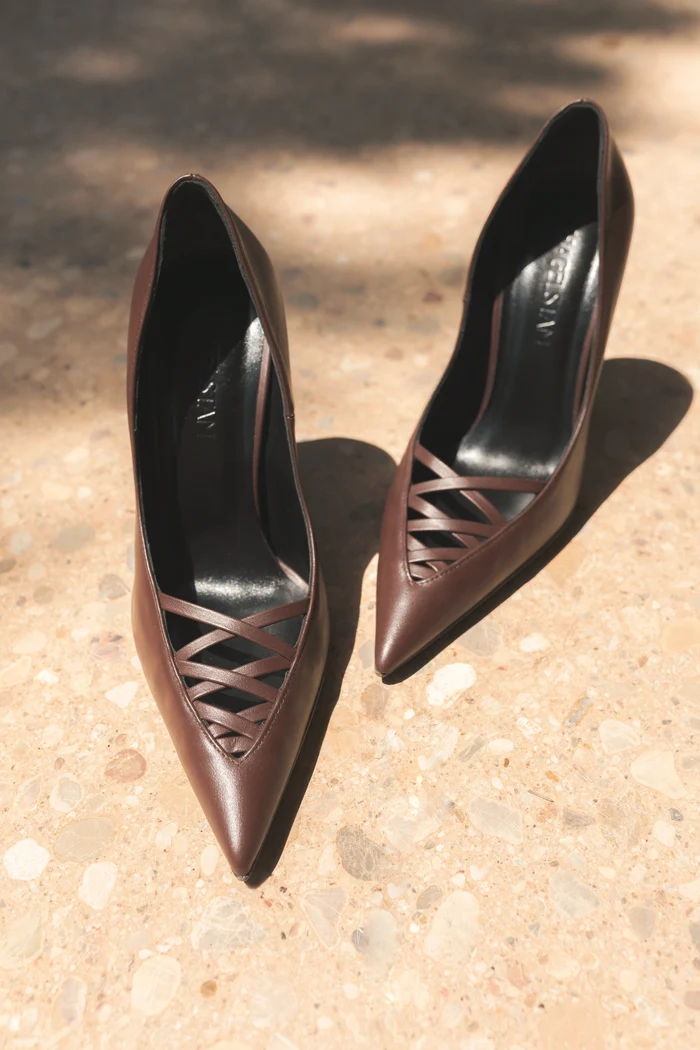
Hagelstam
- 6collections since 2024
- 4proprietary heel heights
- €560–990retail price range
- Developed and produced in a fifth-generation atelier in the Marche.
- Proprietary lasts and heels, built around one rule: heels you can walk in.
- Act One, the first pump, launched in March 2024. Every collection since has been made with the same atelier.
- Read the Hagelstam case study
- Sarah Maier, Lisbon: 15% lower cost than local estimates and 20% shorter production time
No commitment.
Footwear manufacturer: what does the process look like?
As your footwear manufacturer in Italy, we follow four steps, with one project manager, in English, from brief to delivery. You always know which workshop is making your shoes and where your order is.
- Step 1
Tell us about your project
References, sketches, or a tech pack, with styles, heel heights, quantities, and target price.
- Step 2
Get matched with a workshop
We pick the Italian shoe factory and district that fit each model, construction, and price point.
- Step 3
Approve the last and the prototype
A first prototype in 3–5 weeks, fit corrections, then the sample you approve. Workshop visit on request.
- Step 4
Production and delivery
3–6 weeks of production, a quality check on uppers, lasting, soles, and finishing, then shipping and customs.
What does an Italian shoe factory need for your quote?
The more we know, the more precise the quote. Send what you have, and your project manager asks for the rest.
You don't need everything on day one. A reference shoe and a target price are often enough to start.
Photos of a reference shoe from the side, the top, and the sole help as much as a sketch.
Your shoe brief
- A sketch, a tech pack, or a reference shoe.
- Shoe type and construction, if you know it: cemented, Blake, or Goodyear welted.
- Heel height and toe shape.
- Leather and colour, or a sample you like.
- Sole: leather, rubber, or a moulded sole.
- Size range: women, men, children, or all three.
- Branding: logo on the sock, the sole, and the box.
- Quantities per style and per colour.
- Your target price per pair and your delivery date.
Do you ship footwear worldwide?
Yes. We ship finished shoes to brands around the world and handle the paperwork, from the workshop to your warehouse.
- Worldwide shippingEurope, the USA, the UK, the Middle East, and Asia.
- Customs and dutiesDocuments and clearance managed with you, including the paperwork for leather and exotic skins.
- Labelling complianceOrigin, material, and size labels for your market, on the sock, the sole, and the box.
- One point of contactYour project manager tracks every box to delivery.
Shoe manufacturing FAQ
Who are the best Italian shoe manufacturers for small brands?
What is the MOQ for shoes made in Italy?
How much does it cost to make shoes in Italy?
What is a shoe last and do I need my own?
How long does shoe sampling take?
Can I start from a reference shoe?
Are your shoes handmade?
Do you ship footwear worldwide?
What is it like to work with Italian Artisan?
Three footwear brands, in their own words.
Partnering with Italian Artisan allowed us to bring our design vision to life with the level of craftsmanship our customers expect. The attention to materials, fit and finishing has elevated our footwear collection in both form and performance.
Sandra H., founder of HagelstamPartnering with Italian Artisan transformed our production process. We achieved a 15% cost reduction, complete traceability of our supply chain, and reduced production time by 20%.
Cláudia M., CEO of Sarah Maier, LisbonThe manufacturers of Italian Artisan were just amazing. It was very much like a little family: we trust in them and we know how good they are.
Vlora R., co-founder of Lejer Boutique, Bern
Ready to produce your shoe collection in Italy?
Send us your sketch, reference shoe, or tech pack, with quantities. We come back within 1–3 business days with the right workshop for your shoes.
No commitment.