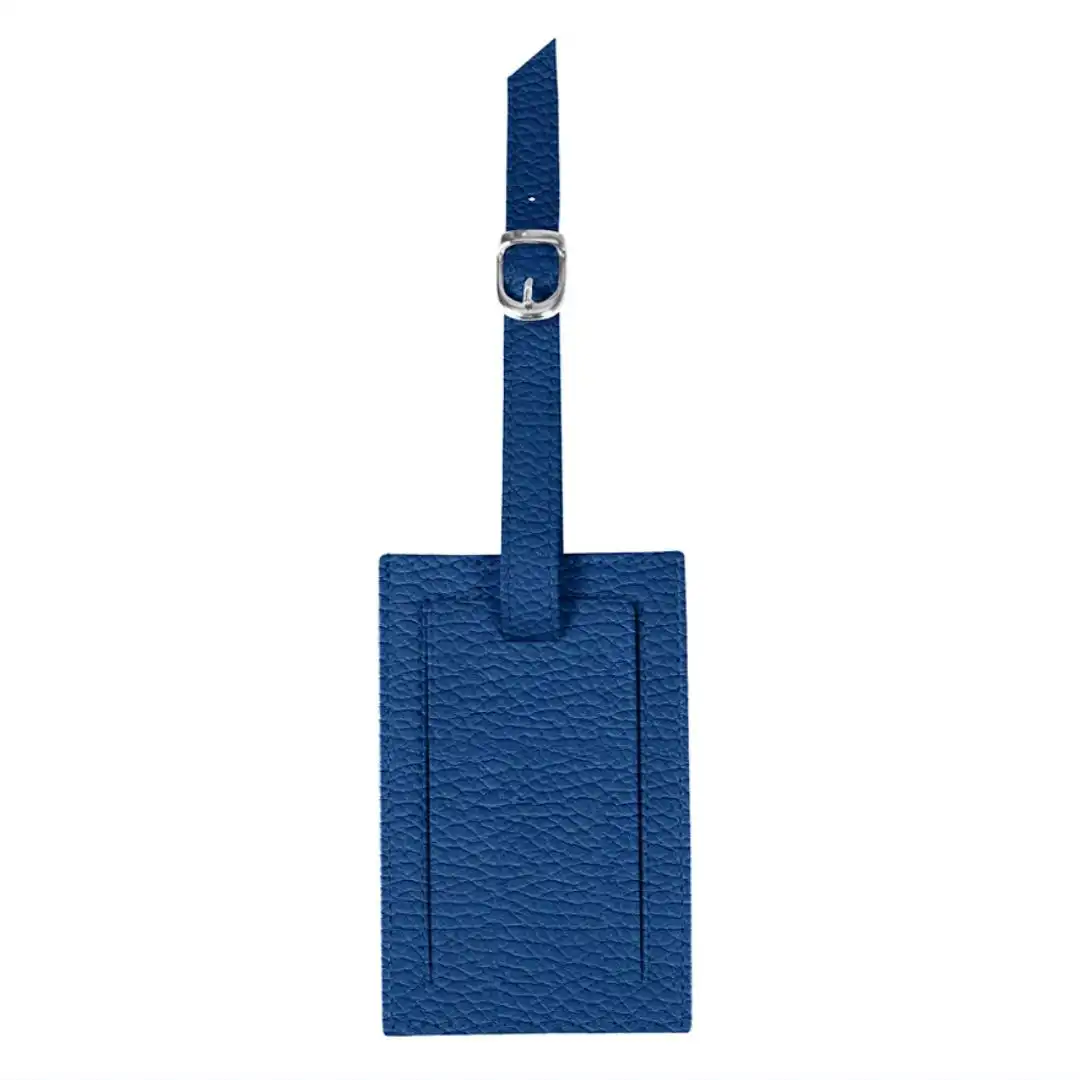
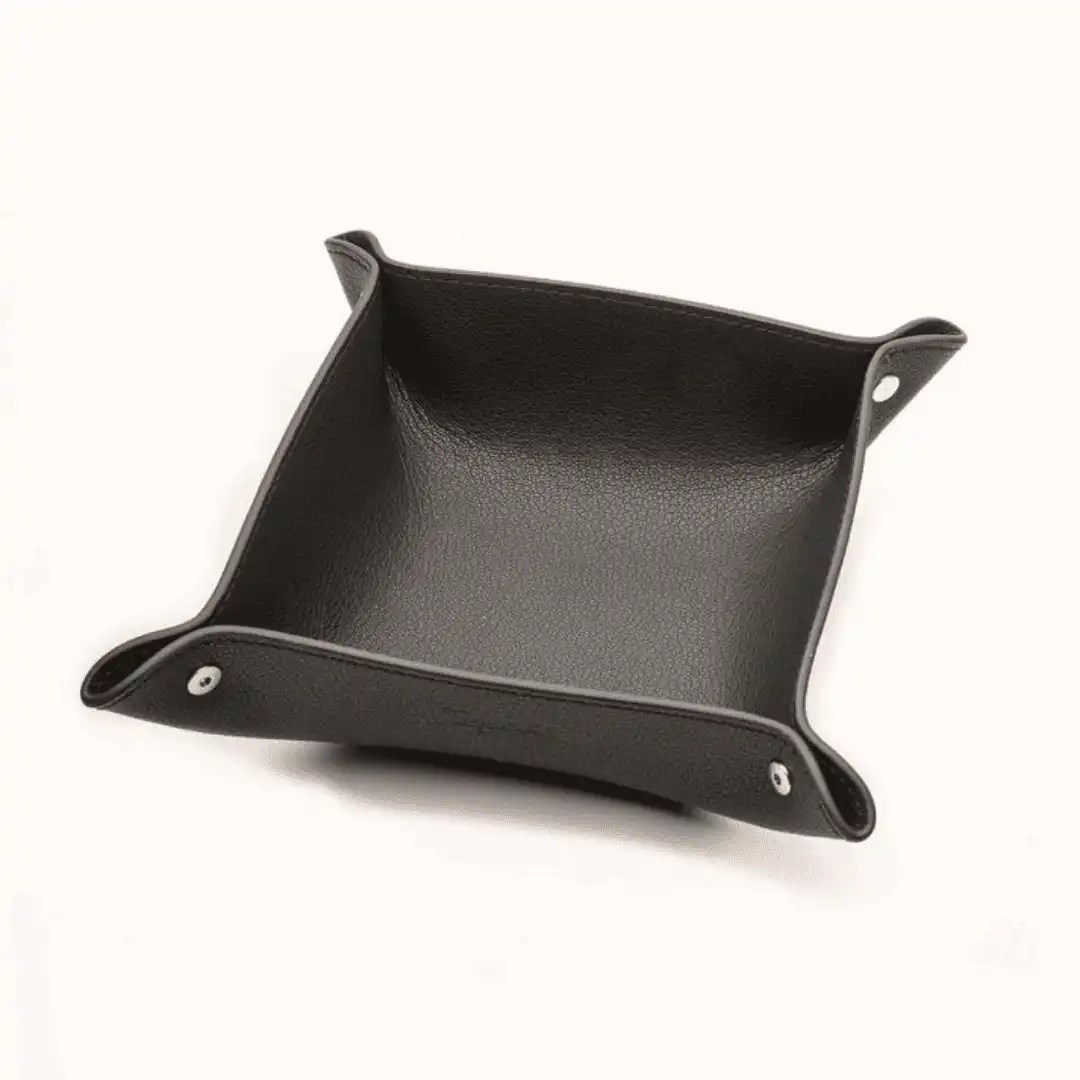
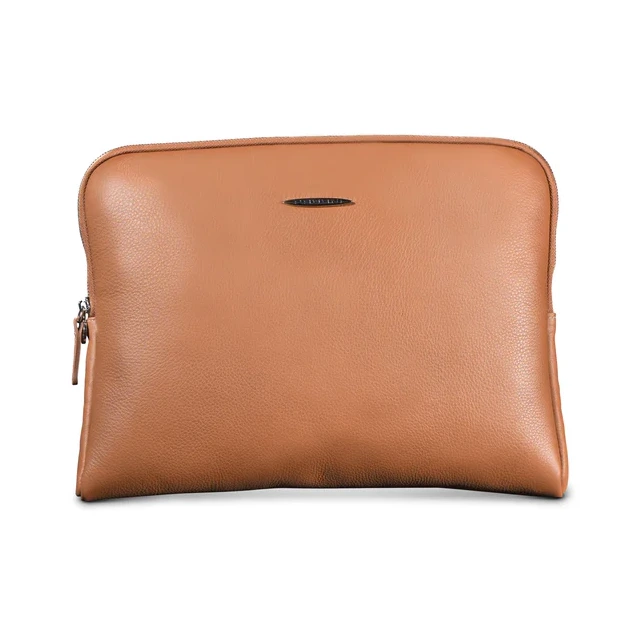
Small leather goods100% made in Italy

Leather goods manufacturer in Italy for premium brands

Private label wallets, card holders, belts, and small leather accessories in Italian leathers, from 30–50 pieces per model, with a dedicated English-speaking project manager.
Tell us about your project 2 minutes to describe it.
No commitment.
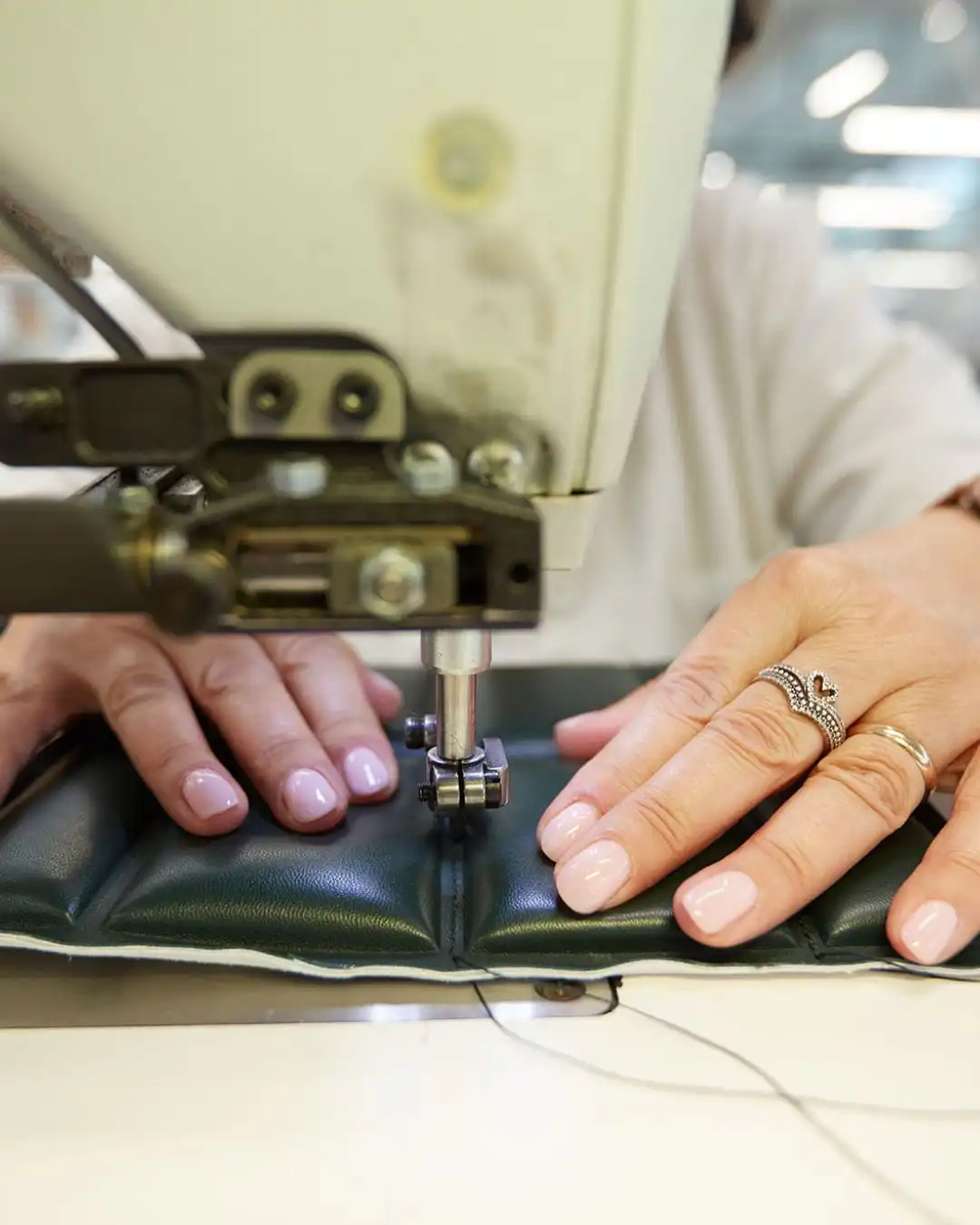
Leather goods manufacturer in Italy: an artisan guiding leather through a sewing machine
  • 2,000+brands have produced with us
  • 300+brands produce with us every year
  • 285verified Italian manufacturers
  • 40+client countries

Brands and companies we have produced for

01What we make

Small leather goods, made in Italy

Each product goes to a workshop that specialises in it: small leather goods are a different trade from bags.
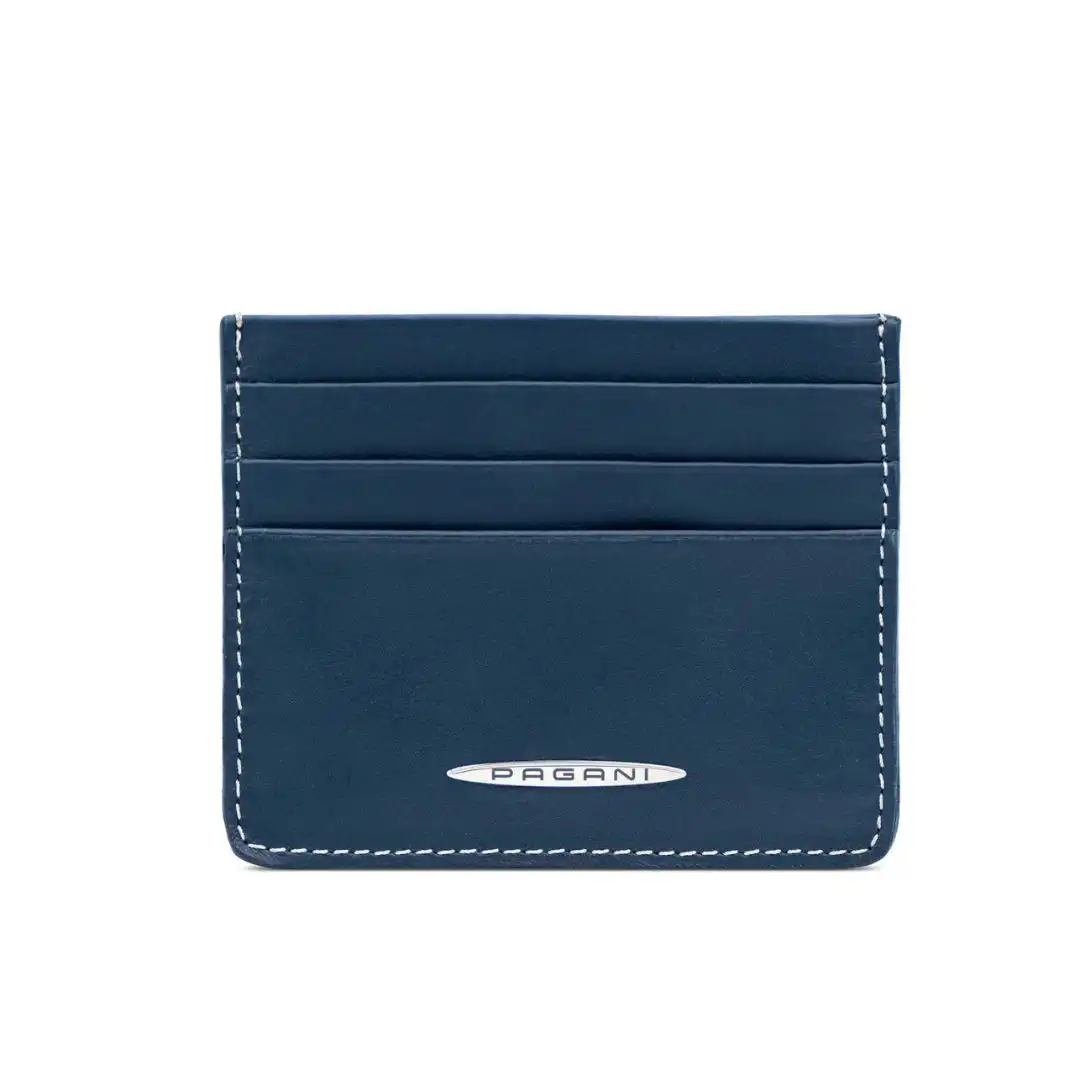
  • Pagani blue leather card holder with a metal logo plate, made in Italy
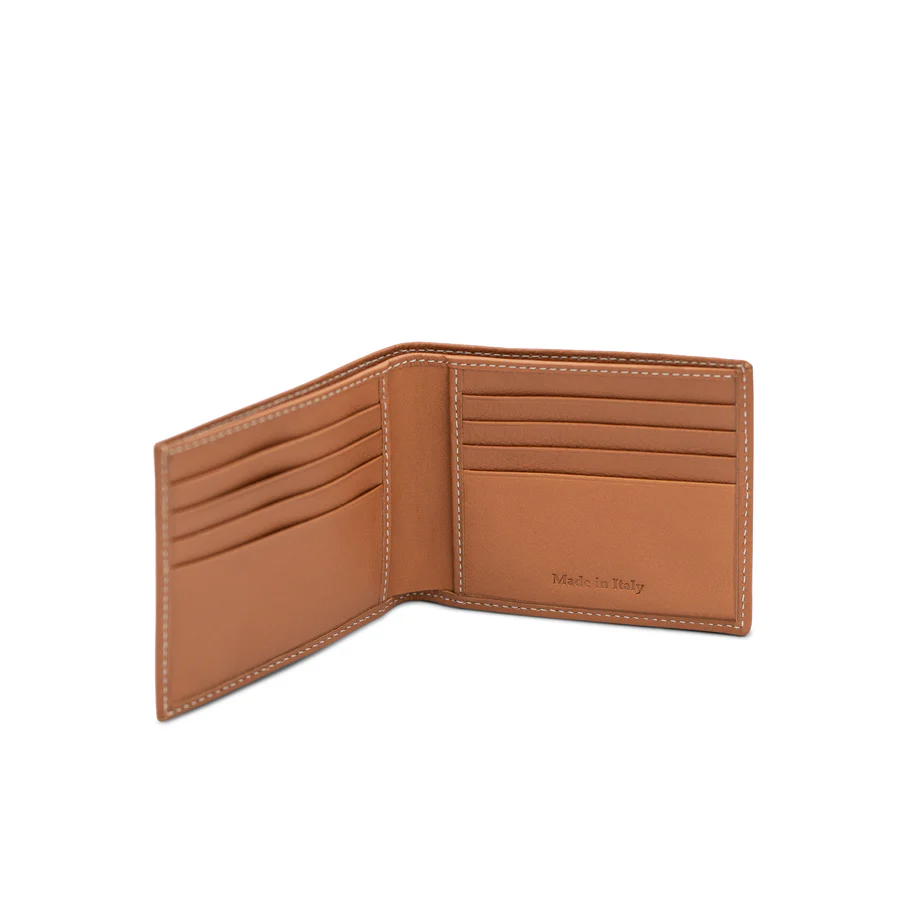
    Wallets and card holdersCard holders with 3 to 8 slots, bifolds, and billfolds, with contrast stitching.Made for Pagani
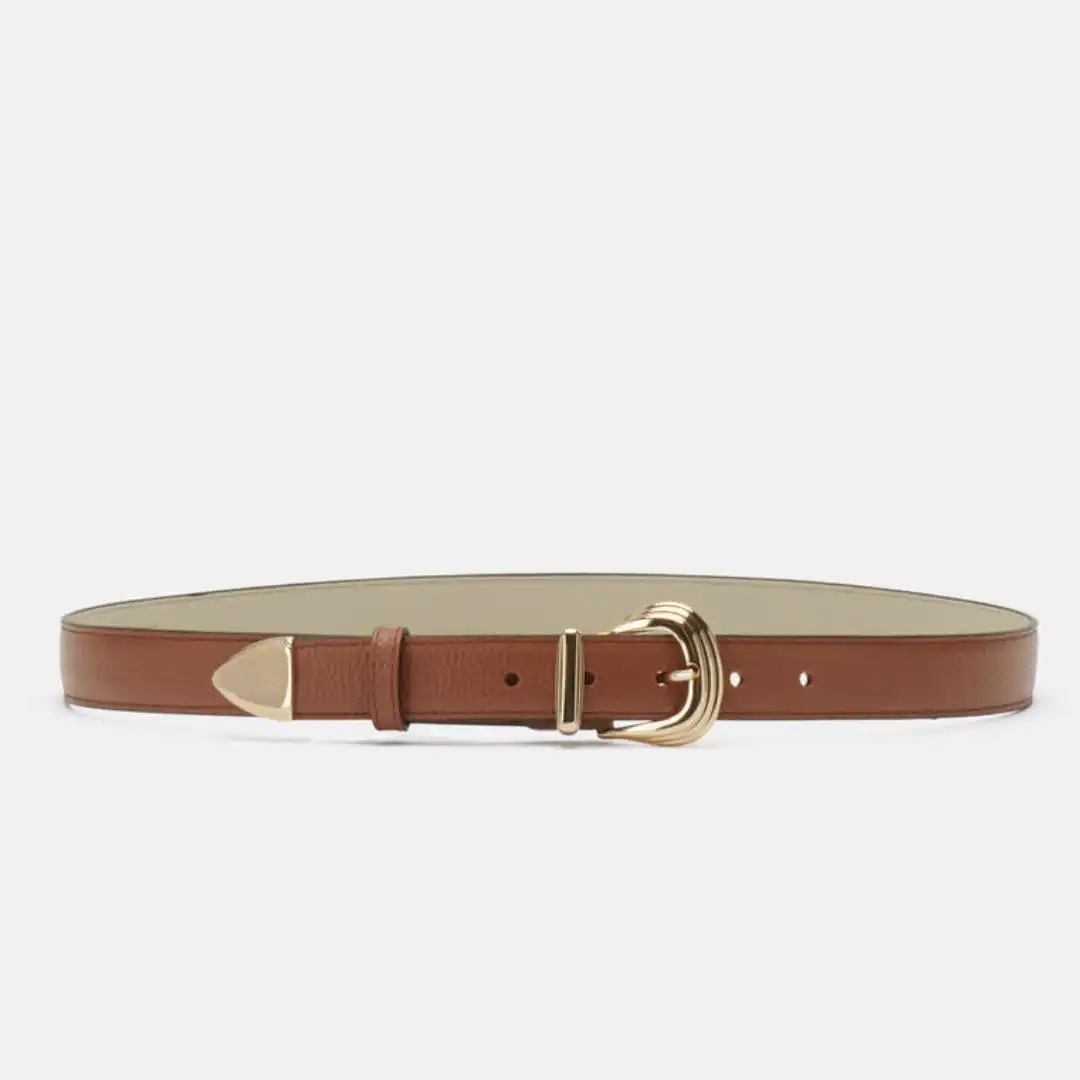
  • Tan leather belt with a gold buckle and metal tip, made in Italy
    BeltsDress and casual belts in your width, with zamak, brass, or custom branded buckles.
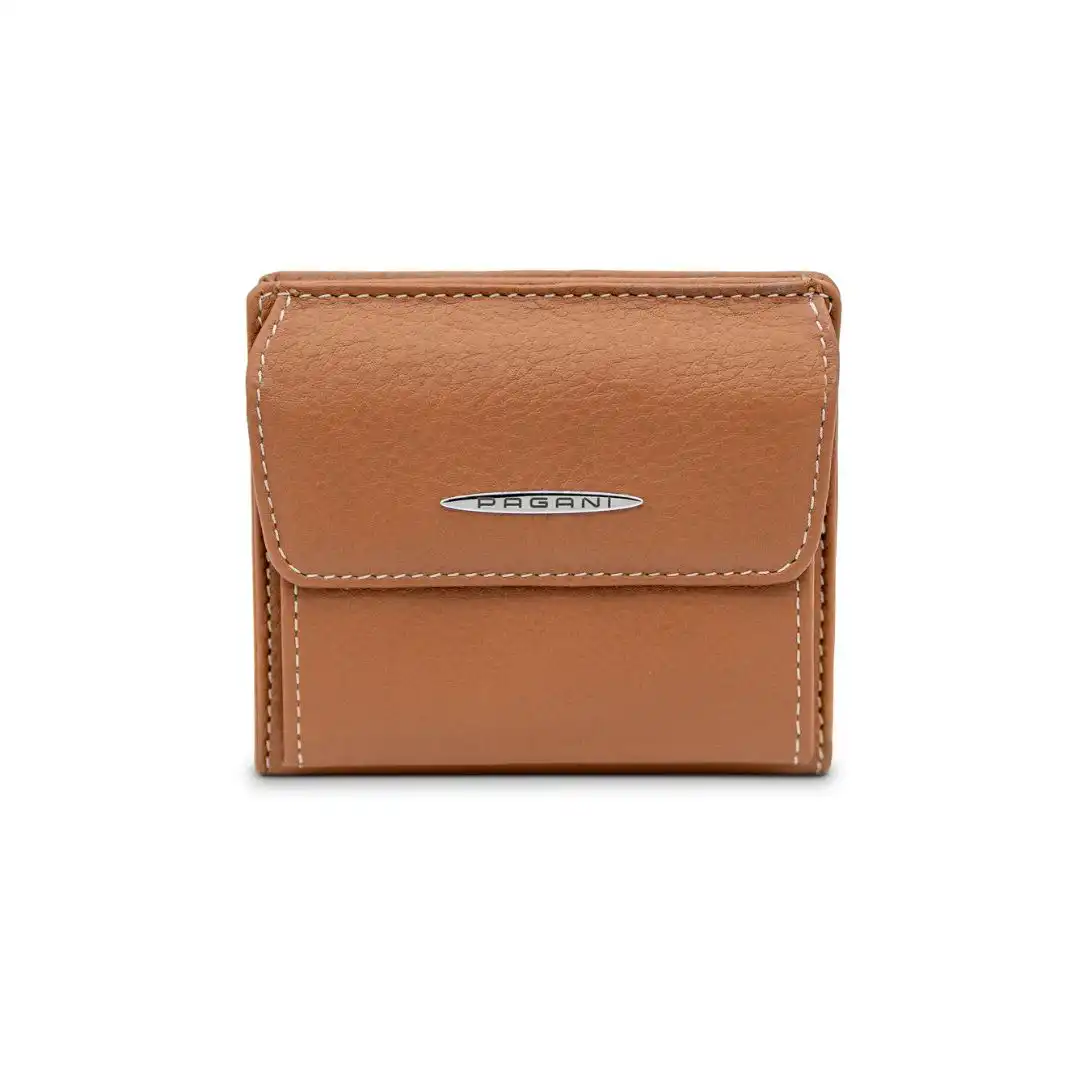
  • Pagani tan leather coin purse with a flap and a metal logo plate, made in Italy
    Coin purses and small walletsSnap, flap, and zip purses, with or without a logo plate.Made for Pagani
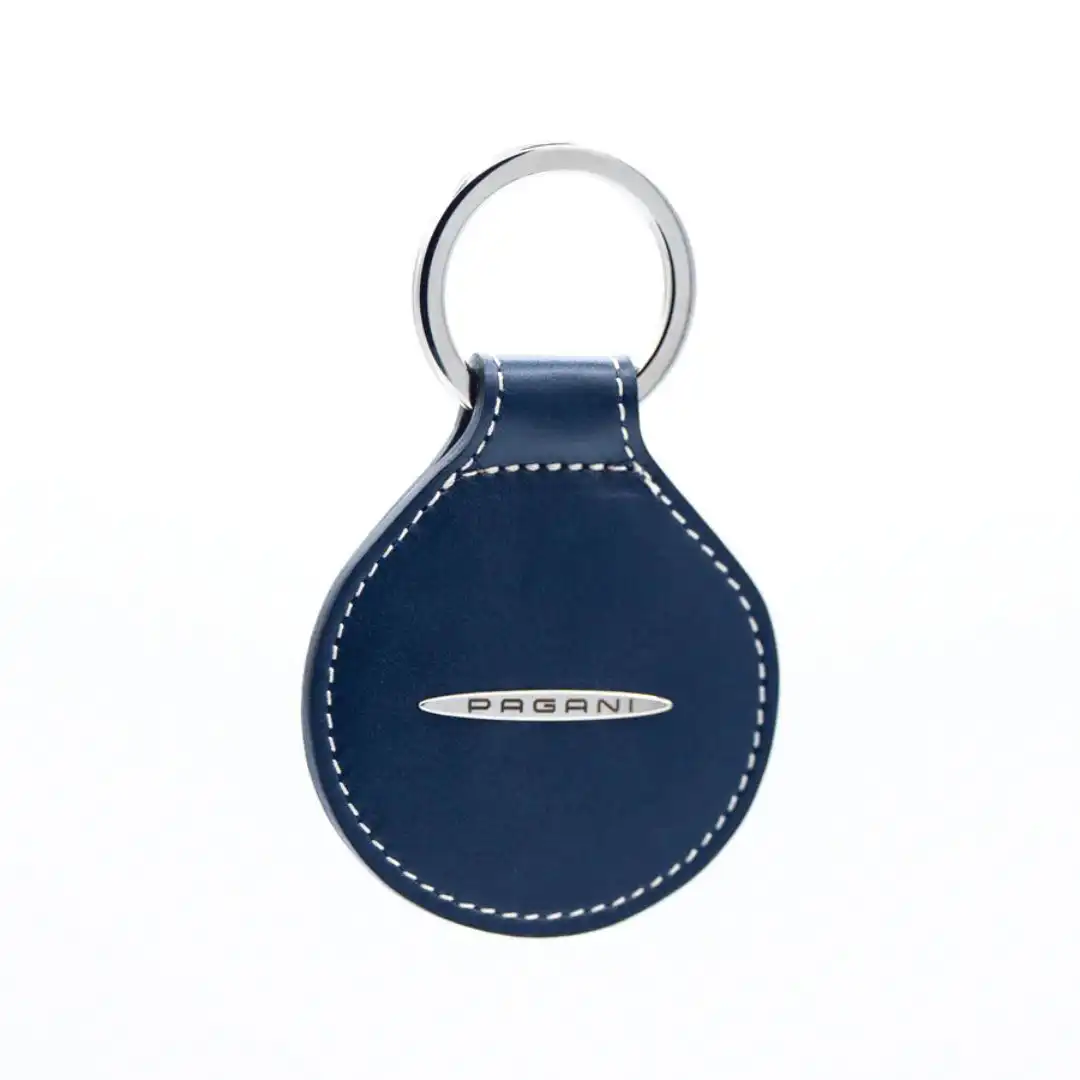
  • Pagani round blue leather keyring with a metal logo plate, made in Italy
    KeyringsRound, tag, and loop keyrings, and key holders.Made for Pagani
02Who it's for

A leather goods manufacturer for brands, not one-offs

For brands that want Italian edges, stitching, and hardware, and a partner still there for the sixth reorder.
A good fit if you are

  • An established brandMoving leather goods production to Italy or adding wallets and accessories to a bag line.
  • An emerging brand with a planLaunching a first collection of card holders, wallets, or belts from 30 pieces per model.
  • A retailer or concept storeDeveloping a private label leather accessories range.
  • A fashion house or designerAdding belts and small leather goods to a ready-to-wear collection.

Not the right fit if you need

  • Single pieces, bespoke or one-off personalised gifts.
  • Very small runs. Our reference is 30–50 pieces per model.
  • The lowest possible price per piece.
An artisan stitching a quilted leather panel in an Italian leather goods workshop
ItalyWhy Italy

Italian leather goods manufacturers, from tannery to workshop

Tanneries, hardware makers, and workshops are all over Italy, with the main districts in Tuscany, Lombardy, Campania, the Marche, and the Veneto.

  • 285verified Italian manufacturers
  • 5main leather districts
  • A specialist for each product: wallets, belts, and cases each go to a workshop that makes them every day.
  • Skiving and edge painting: leather thinned to fold flat, then edges painted in several coats.
  • Short supply chain: in each district, tannery, hardware maker, and workshop sit a short drive apart.
  • Made in Italy, on the label: cutting, assembly, and finishing in Italy, with the origin labelling your market requires.
  • Verified workshops only
  • Workshop visits on request
  • A dedicated English-speaking project manager
03Leathers and materials

The right leather for each product

Mostly calf from Italian tanneries, plus nappa, saffiano, vegetable-tanned, and embossed leathers.

  • Close-up of pebbled tan calf leather
    Pebbled, saffiano, and printed calf

    Even, cross-hatch, or printed grains that hide marks and resist scratches, for everyday use.

    Billfolds, passport holders, travel

  • Close-up of smooth navy calf leather
    Smooth calf, nappa, and vegetable-tanned

    Full-grain calf develops a patina; nappa is softer; vegetable-tanned has a firm hand and takes raw-cut or painted edges.

    Wallets, belts, card holders, trays

  • Close-up of suede
    Suede and nubuck

    Velvety hand, matte look.

    Pouches, linings

  • Close-up of red croc leather
    Croc, embossed or exotic

    Croc prints embossed on calf, or exotic skins with the documents your market requires.

    Luxury accessories

  • Close-up of iridescent python leather
    Snake and python

    Snake prints, or python skins with the documents your market requires.

    Evening and luxury accessories
  • Plant-based alternatives

    Leather alternatives made from food waste, such as orange peel, on request.

Linings: leather, suede, cotton, or microfibre. Thickness and temper decide how a product folds and takes edge paint, so we choose them with you first.

04Edges, hardware, and branding

Edges, hardware, and your logo

In small leather goods the details are the product, chosen with you and checked in the same production.

  • Edges and construction

    • Edge painting, multi-coat
    • Burnished edges
    • Turned and stitched edges
    • Raw-cut vegetable-tanned
    • Skiving and folding
    • Reinforced panels
  • Hardware

    • Snaps and magnetic closures
    • YKK, Riri, and Lampo zips
    • Rings, hooks, and clips
    • Buckles and belt tips
    • Custom branded metal
    • Gold, silver, and gunmetal plating
  • Interiors and function

    • Card slots and bill compartments
    • Leather, suede, or fabric lining
    • RFID shielding
    • Privacy flaps and inserts
    • Padded cases
  • Branding and packaging

    • Blind embossing and debossing
    • Foil stamping
    • Metal logo plates
    • Personalised initials
    • Dust bags and gift boxes

Embossing, debossing, or hot stamping?

Embossing

How it's made
A shaped plate raises the logo above the surface of the leather.
Look
Raised, in the colour of the leather.
Typical use
Larger logos and patterns, on thicker leathers.

Debossing

How it's made
A heated plate presses the logo into the leather, with no colour.
Look
Recessed, tone on tone, discreet.
Typical use
Wallets, card holders, and the inside of belts.

Hot stamping

How it's made
A heated plate presses a gold, silver, or coloured foil into the leather.
Look
Recessed and coloured, sharp even at small sizes.
Typical use
Logos and initials on card holders and passport holders.

Each one needs a metal plate made for your logo: a one-off cost, reused on every reorder.

05Supplier or manufacturer

A manufacturer, not a leather goods supplier

A supplier sells existing products from stock or a catalogue; we make your own design in an Italian workshop, under your brand.

You already have a tech pack

  1. The right workshopWe choose the Italian leather goods workshop that makes your product every day.
  2. Prototype and samplesCorrected until you approve them.
  3. ProductionFrom 30–50 pieces per model, under your brand.

You start from sketches or a reference product

  1. Design and tech packOur designers draw the product and specify leather, lining, hardware, and logo.
  2. PrototypeA first prototype in 2–6 weeks, corrected until it's right.
  3. Then productionAfter your approval, production takes 3–5 weeks.
06MOQ and prices

How leather goods pricing works

The leather and the construction set most of the price, so every model is quoted on its own.

Minimum order 30–50 pieces per model, split across colours

Development costs

  • Prototype: about 3× the unit price
  • Sample: about 2× the unit price
  • Custom hardware and embossing plates: one-off costs

What changes the price

  • Leather and how much of it
  • Edges, lining, and skiving
  • Custom hardware and plates
  • Quantity
Indicative starting prices per piece, at 30–50 pieces per model

A guide only: your quote depends on the leather, construction, quantities, and finishes you choose.

  • Belts: from €30
  • Wallets: from €30
  • Phone and tech covers: from €60
  • Card holders, pouches, and watch straps: quoted per model
Get a quote for your leather goods 2 minutes to describe it.
No commitment.
07Timing

From brief to finished production in 5–11 weeks

Prototype and samples from 2 weeks, then production in 3–5 weeks.

Pattern, prototype and samplesPattern, first prototype, corrections on slots, folding, and edges, pre-production sample2–6 weeks
ProductionCutting, skiving, edge painting, stitching, hardware, quality control3–5 weeks
Whole processFrom brief to finished production: prototype, then production5–11 weeks
Prototype 2–6 wks Production 3–5 wks
  • Fewer delays: we lock every comment in writing before production, because most delays come from changes after the sample.
  • Longer lead times: custom hardware, plating, and embossing plates can take longer.
  • Closures: the districts close in August and over Christmas, so plan around them.
08Quality control

Four checks before anything ships

Production is checked against the sample you approved, before packing and shipping.

  1. Check 1

    Edges

    Paint coats, smoothness, and colour are checked against the sample.

  2. Check 2

    Stitching

    Stitch length and lines are checked, with no loose threads.

  3. Check 3

    Hardware

    Buckles, snaps, zips, and plating are checked for finish and function.

  4. Check 4

    Logo

    Position and depth of embossing, debossing, or foil are checked before packing.

09Case studies

Brands that make leather goods with us

Ad Hoc Atelier, a Made in Italy gifting platform from Milan, and Pagani Automobili, for its merchandising line.
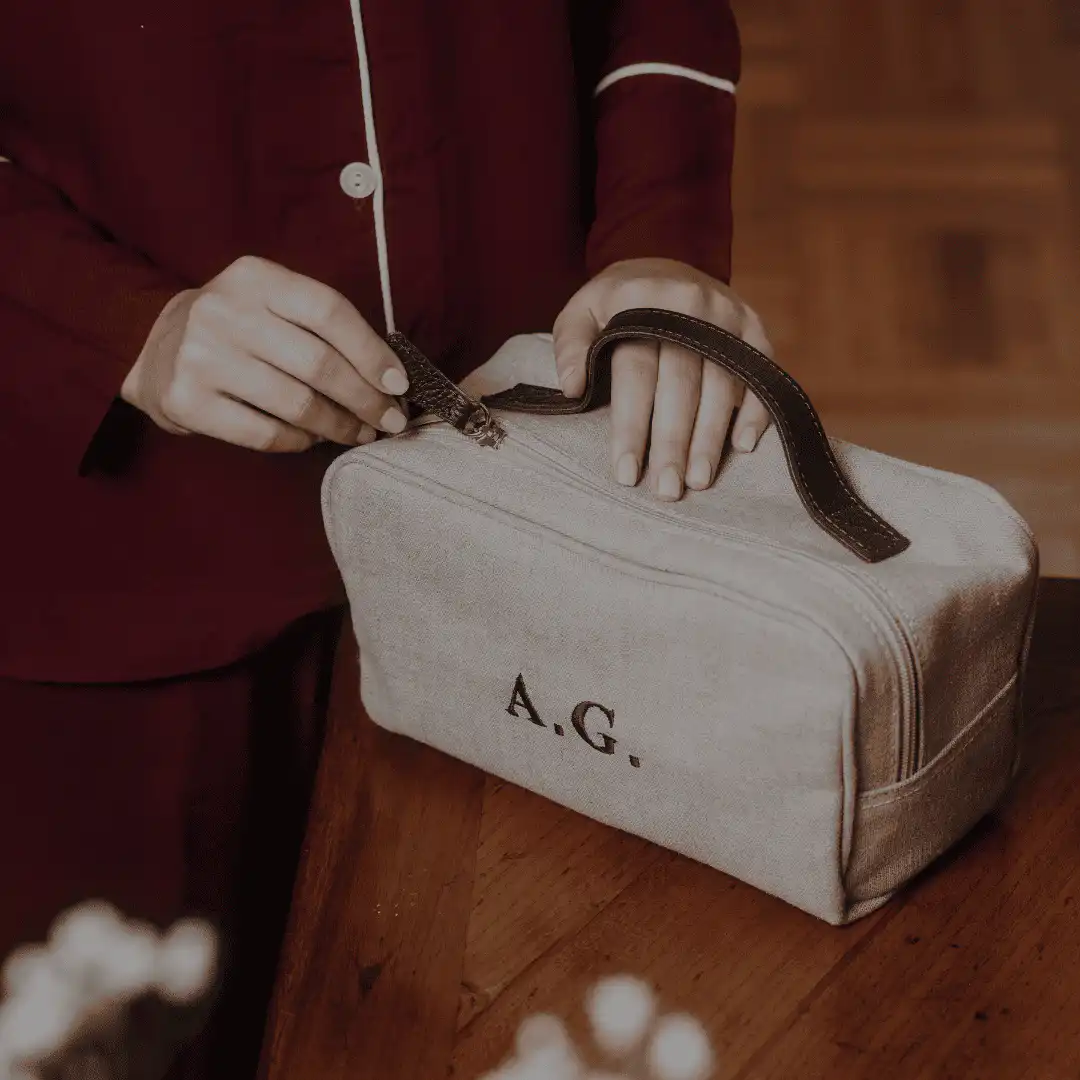
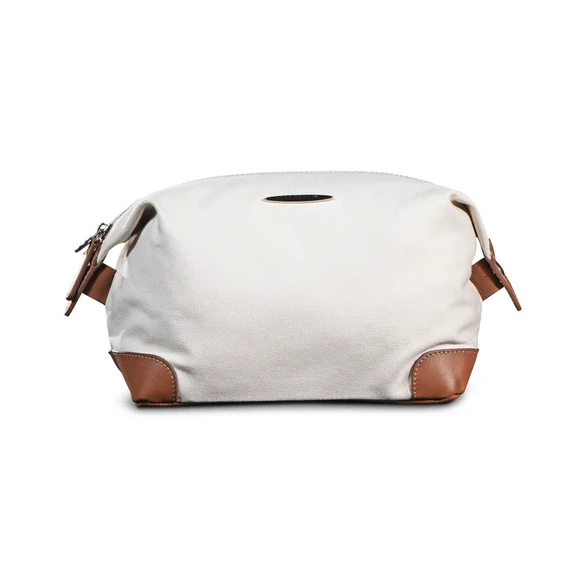
Ad Hoc Atelier washbag with a leather handle and embroidered initials, made in Italy with Italian Artisan
Ad Hoc Atelier

Working with Italian Artisan allowed us to bring our idea of meaningful, personalized gifting to life through products that truly reflect Italian craftsmanship.
Andrea Gracis, COO, Ad Hoc Atelier
Read the Ad Hoc Atelier case study
Pagani tan leather bifold wallet, made in Italy with Italian Artisan
Pagani

Small leather goods and travel accessories for the Pagani Automobili merchandising line, sold on its e-commerce and at the factory in San Cesario sul Panaro.

Read the Pagani case study

Branded leather gifts for your clients or your team? See corporate gifting.

Start your own leather goods project 2 minutes to describe it.
No commitment.
10How it works

Leather goods manufacturing in four steps

Your project manager, from brief to delivery.

  1. Step 1

    Tell us about your project

    References, sketches, or a tech pack, with products, leathers, quantities, and budget.

  2. Step 2

    We choose the leather goods workshop

    The Italian workshop that fits each product, construction, and price point.

  3. Step 3

    Approve the samples

    Prototype and samples, corrected until they are right. Workshop visit on request.

  4. Step 4

    Production and delivery

    Quality check on edges, stitching, hardware, and logo, then shipping and customs.

Worldwide shipping, paperwork included

Customs, duties, and labelling handled with you.

  • WorldwideEurope, the USA, the UK, the Middle East, Asia.
  • Customs and dutiesClearance managed with you, including leather and exotic-skin paperwork.
  • LabellingMaterial and origin labels for your market, on product and packaging.
  • One point of contactYour project manager tracks the shipment to arrival.
FAQQuestions

Frequently asked questions

What is the minimum order for belts and wallets made in Italy?

30–50 pieces per model, split across colours. Every model is evaluated on its own: products with custom metal hardware or embossing plates sit at the higher end because of the tooling. Plates and custom hardware are one-off costs, reused on every reorder, so later runs cost less to set up.

How much does a leather wallet made in Italy cost?

At 30–50 pieces per model, wallets and belts start from €30 per piece and phone and tech covers from €60; card holders, pouches, and watch straps are quoted per model. Leather, construction, and quantity set the final price. A prototype costs about 3× the unit price and a sample about 2×.

Can you manufacture leather belts with custom buckles in Italy?

Yes. Every belt starts from a tech design with strap, holes, tip, buckle, and logo, made to your width, length, and hole spacing, then a prototype you approve. We use full-grain calf or vegetable-tanned leather, lined or unlined, with painted, burnished, or turned and stitched edges, and zamak or brass buckles in gold, silver, or gunmetal, or custom branded.

Can you add our logo with embossing or hot stamping?

Yes. Your logo can be embossed, blind debossed, or hot-stamped in gold, silver, or coloured foil, or applied as a metal logo plate. Each technique needs a plate made for your logo: a one-off cost, reused on every reorder. Debossing is discreet and tone on tone; hot stamping stays sharp even on small initials.

Which leathers can you use for small leather goods?

Smooth and pebbled calf, nappa, saffiano and printed leathers, vegetable-tanned leather, suede and nubuck, and croc and snake prints, with linings in leather, suede, cotton, or microfibre. Exotic skins come with the documents your market requires, and plant-based alternatives made from food waste, such as orange peel, are available on request.

How long does small leather goods production take?

Pattern, first prototype, and the pre-production sample take 2–6 weeks. Production takes another 3–5 weeks, depending on volume and finishing: edge painting is applied in several coats, with drying time between them. Custom hardware, plating, and embossing plates can take longer, and the districts close in August and over Christmas.

Can you start from a reference product?

Yes. Send the product or photos of it, with your changes: our design team turns it into a tech pack with dimensions, slots, edges, hardware, and logo placement before sampling starts. If you already have a tech pack, we review it, then choose the Italian workshop that makes that product every day.

Which small leather goods do you manufacture?

As a leather goods manufacturer in Italy, we make wallets and card holders, passport holders and luggage tags, keyrings, valet trays and desk accessories, belts, pouches, watch straps, gloves, phone and tech covers, glasses cases, and watch rolls and jewellery cases, through specialised workshops in the Italian leather districts.

Do you ship worldwide and handle customs?

Yes. We ship worldwide, to Europe, the USA, the UK, the Middle East, and Asia, and manage customs, duties, and the material and origin labelling your market requires, including the paperwork for exotic skins. Your project manager tracks every shipment until it arrives.

What we need for your quote

Send what you have: your project manager asks for the rest.

  • Sketch, tech pack, or reference product
  • Leather and hardware
  • Colours and quantities
  • Target price and date

Ready to produce your leather goods in Italy?

Send us your sketch, reference product, or tech pack, with quantities. We come back within 1–3 business days with the right workshop for your leather goods.

Tell us about your project 2 minutes to describe it.
No commitment.