Case studyLeather goods · Private label · USA

Maison Veni: a debut leather collection, made in Italy from the first prototype to the launch

A New Jersey founder with a precise brand vision and no factory. Three bags, fully custom hardware, lining and branding, produced in a family-run workshop outside Milan and delivered to the US in seven months. Here is how it was done.

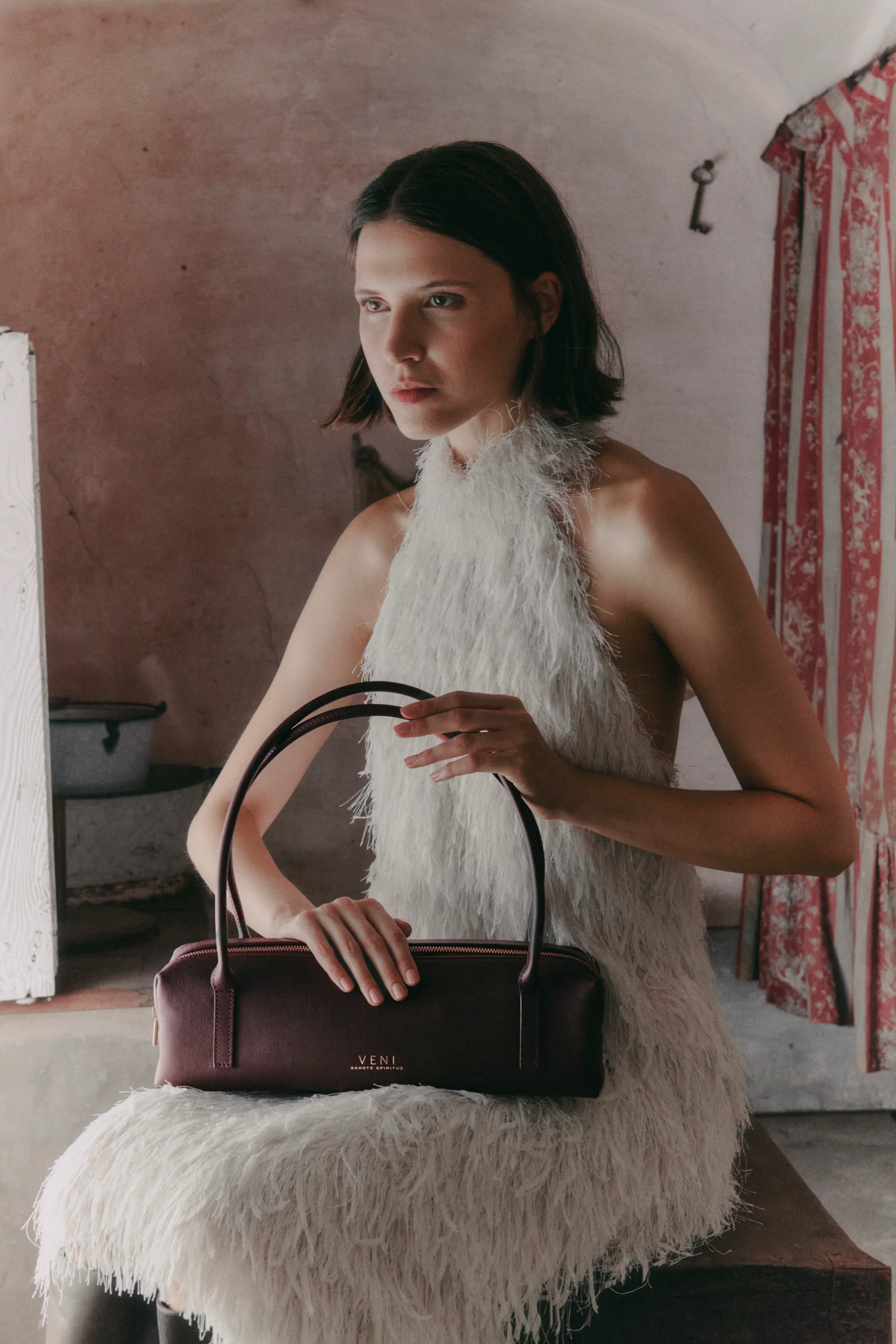
Maison Veni campaign shot in Milan: a model holds the Hannah baguette bag in burgundy leather, made in Italy with Italian Artisan
Hannah baguette · campaign, Milan 2026
  • 4styles in the first run
  • 252pieces produced
  • 7months from brief to delivery in the US
  • 1workshop, 6 specialist suppliers, 1 point of contact
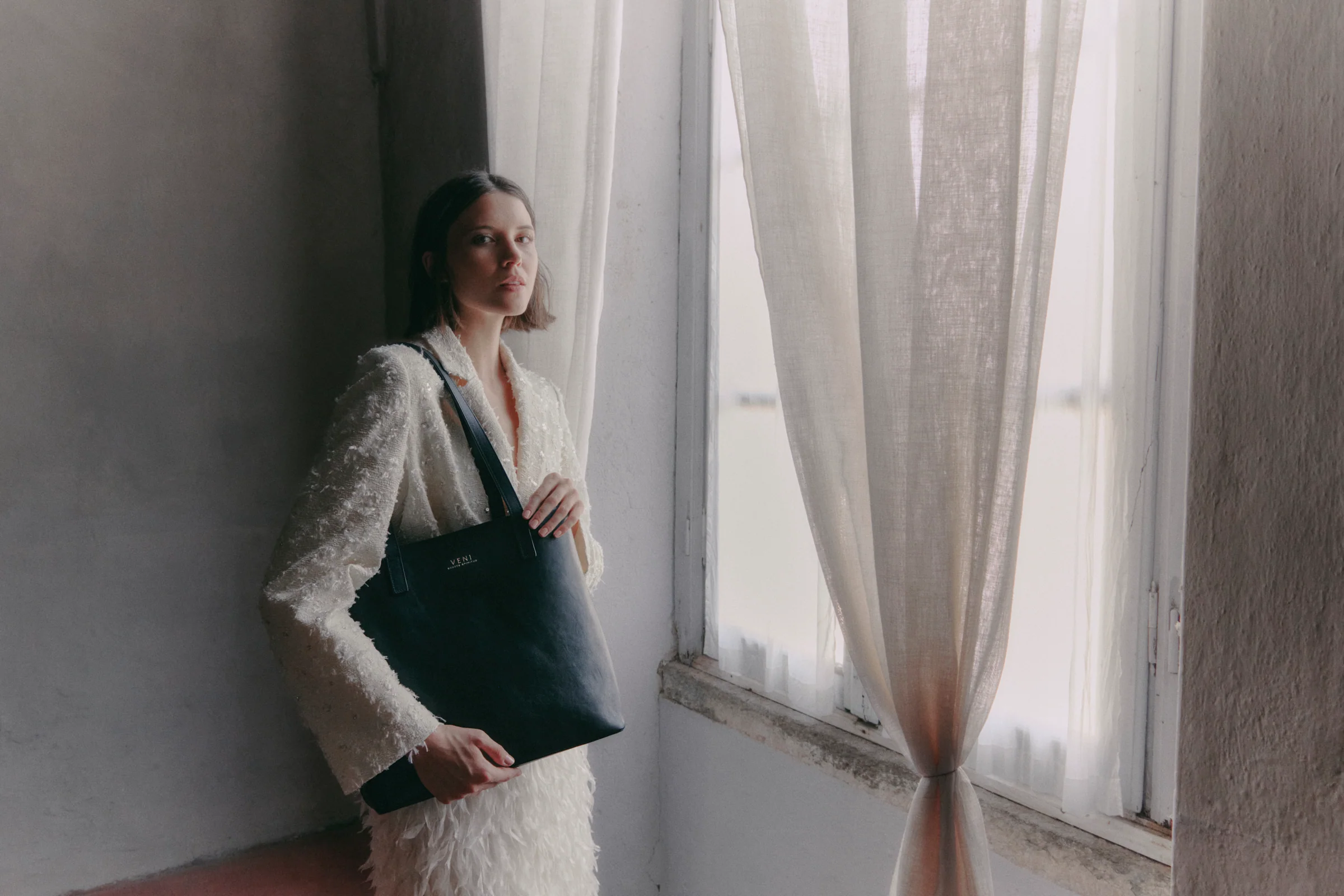
Maison Veni campaign, Milan: a model by a window holds the Rebekah tote in black leather
01The brand

Luxury redefined, with a reason behind every name

Maison Veni is a luxury leather goods house founded in New Jersey by Candace Charbonné. The name comes from Veni Sancte Spiritus, and the brand is built on three pillars: craftsmanship, sustainability and philanthropy. It sells directly to its own clients, in limited batches, at $795 to $2,200 a piece.

The first collection, In the Beginning, is three bags named after three women: Rebekah, a tote; Hannah, a baguette; Sarah, a clutch. The founder arrived with a complete branding framework, reference pieces, a launch calendar and a clear expectation: the bags had to look and feel like the house they represent, from the hardware to the lining.

What she did not have was a manufacturer, a hardware maker, a tannery, a lining printer or a way to coordinate them from the other side of the Atlantic. That was the job.

  • Based inNew Jersey, USA
  • CategoryLuxury leather goods, direct to client
  • Made inItaly · workshop outside Milan
02The brief

A launch-grade collection at first-collection volumes

Sixty-three pieces per style is a small run. The specification was not small. Every component was custom, and the launch date was fixed by a marketing calendar that ran from photography to pre-orders.

  • Everything branded, nothing off the shelfLogo-engraved brass hardware, a zip pull drawn by the brand, a custom-printed lining, an embossed pattern for the clutch, gold foil and blind-debossed logos, branded dust bags.
  • Low volumes, supplier minimumsCustom lining runs at 20 metres minimum, plating and moulds carry one-off setup costs. The plan had to absorb them without inflating the unit price.
  • A fixed launch dateShoot-ready samples for March, production landed in the US for a May launch. Photography, influencer seeding and pre-orders were all scheduled against those dates.
  • Brand in New Jersey, workshop in LombardyDecisions taken over email, WhatsApp and weekly calls across six time zones, with the brand's creative director flying in for the moments that needed eyes on the product.
03The collection

Three bags, one construction language

Matte Nebraska leather for the black pieces, a bordeaux for the baguette, the same brass hardware and the same grid-printed lining across the range so the bags read as a family.

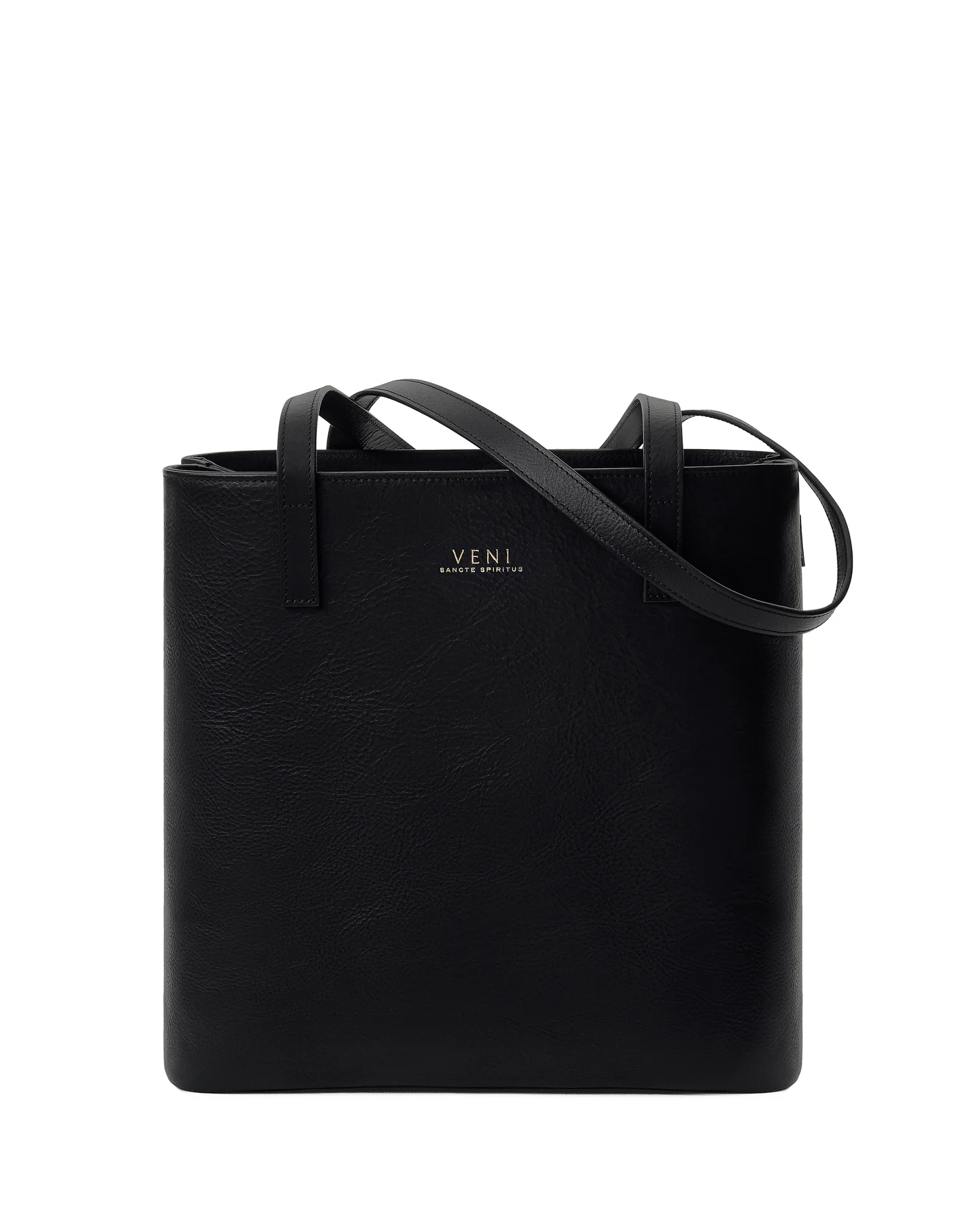
  • Maison Veni Rebekah tote in black matte Nebraska leather with gold-tone hardware, front view

    Rebekah Tote

    A tote with side zips that turns from a wide, open silhouette into a structured one. Removable interior pocket with a debossed cross on the card slot, key-fob pouch, and a matching plain clutch sold as part of the set.

    • Leather: black matte Nebraska, Italian tannery
    • Hardware: brass, logo-engraved, palladium and gold plated
    • Sizes: 57 × 33.5 × 12 cm open, 35 cm structured
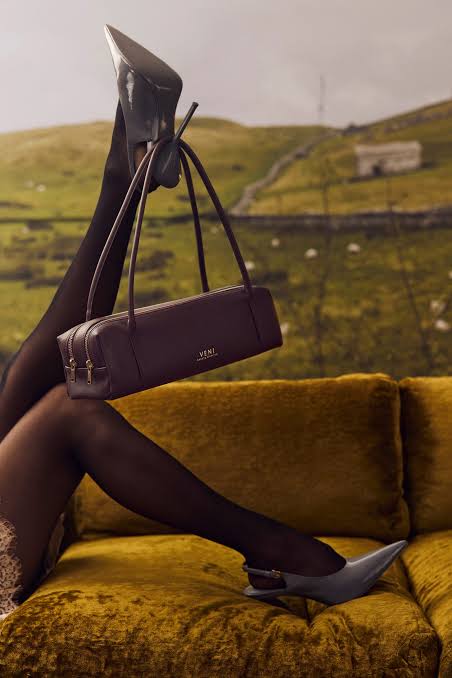
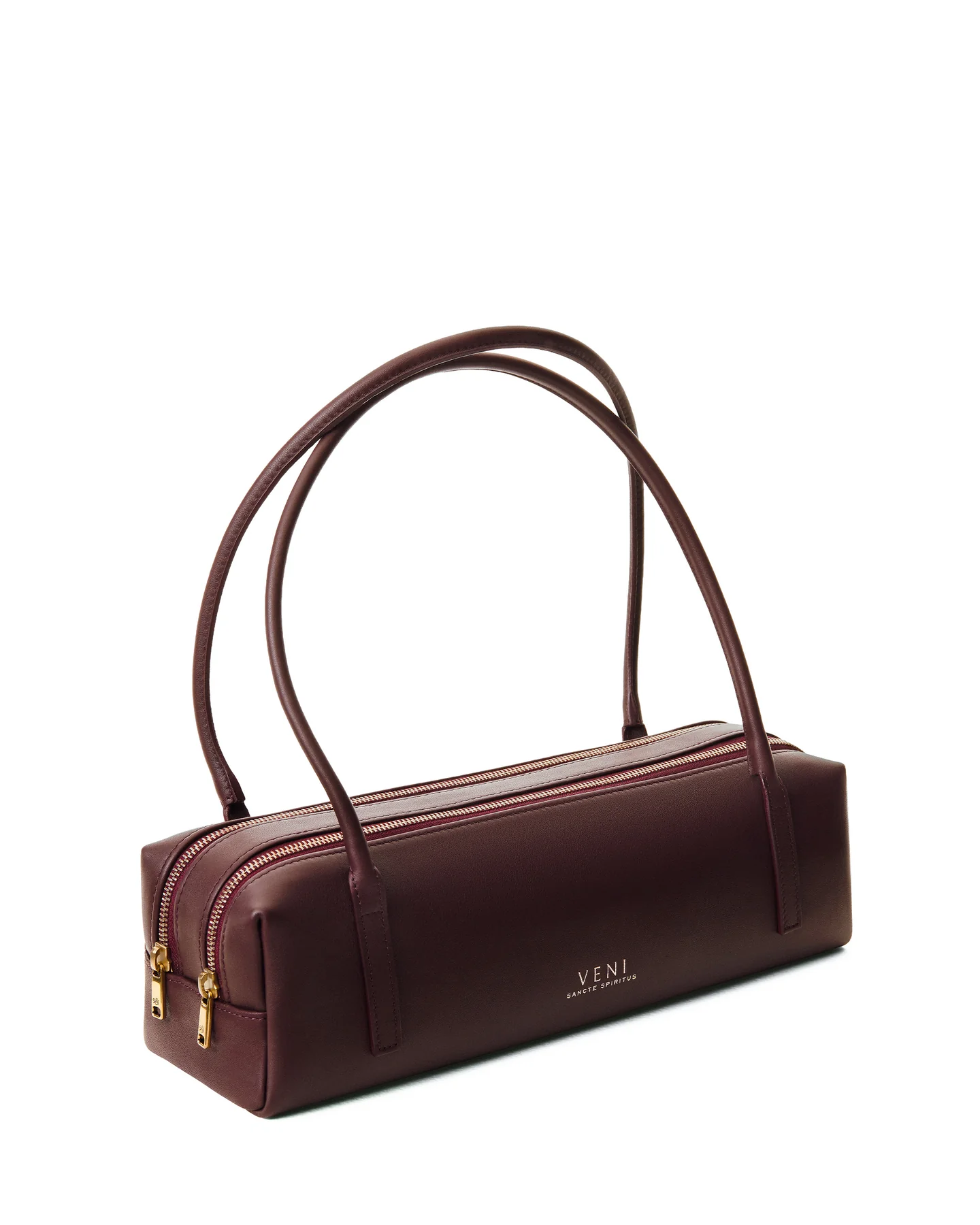
  • Maison Veni Hannah baguette bag in bordeaux leather with double top handles, front view

    Hannah Baguette

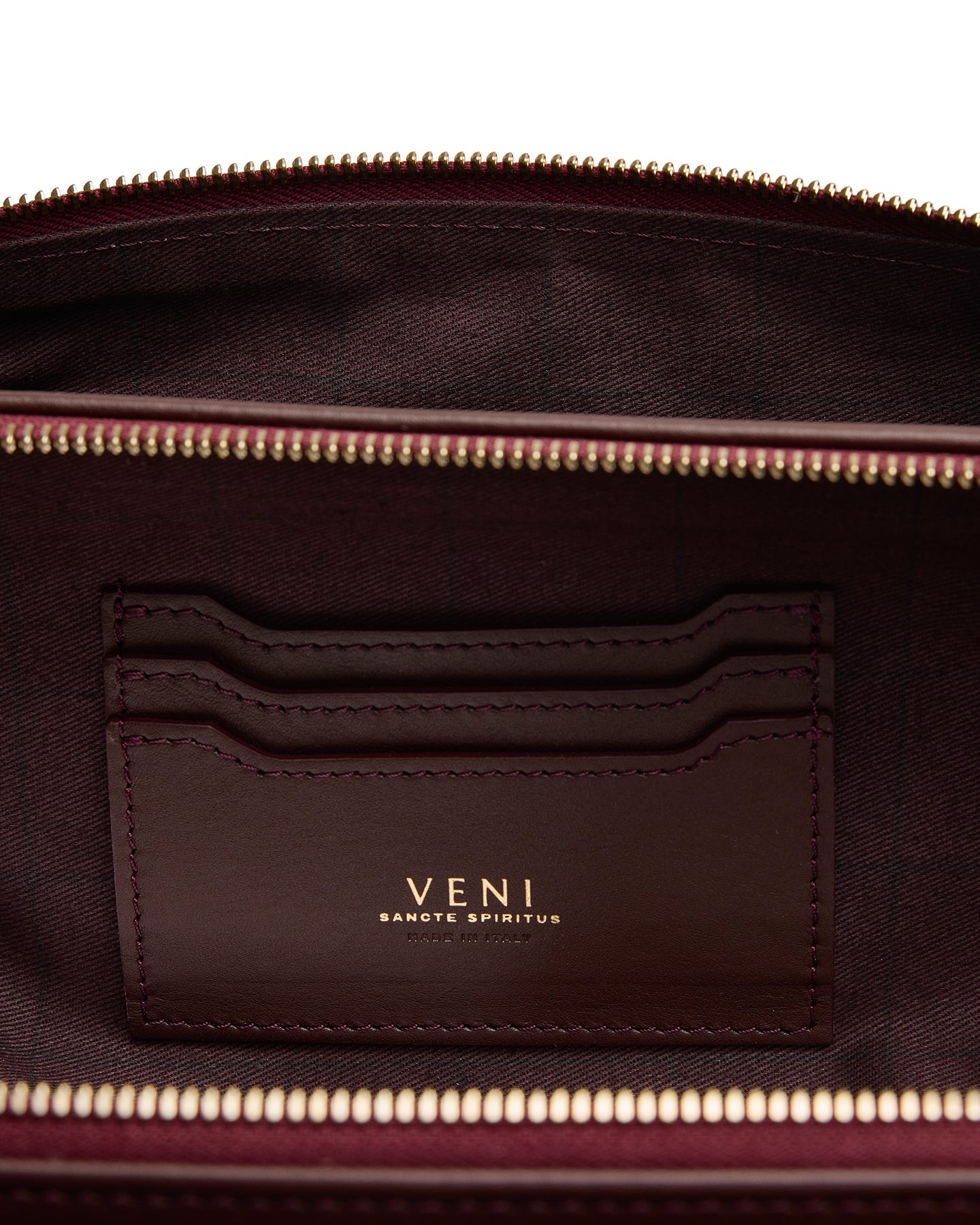
    A modern baguette with two zip compartments, an interior zip pocket, double card holder and a lip-gloss pocket. Rebuilt after the first prototype to hold its shape: reinforced top, corded handles with doubled leather, hidden core.

    • Leather: bordeaux, same tannery as the tote
    • Branding: gold foil logo, blind-debossed Made in Italy inside
    • Size: 35 × 9 × 10 cm, 25 cm drop
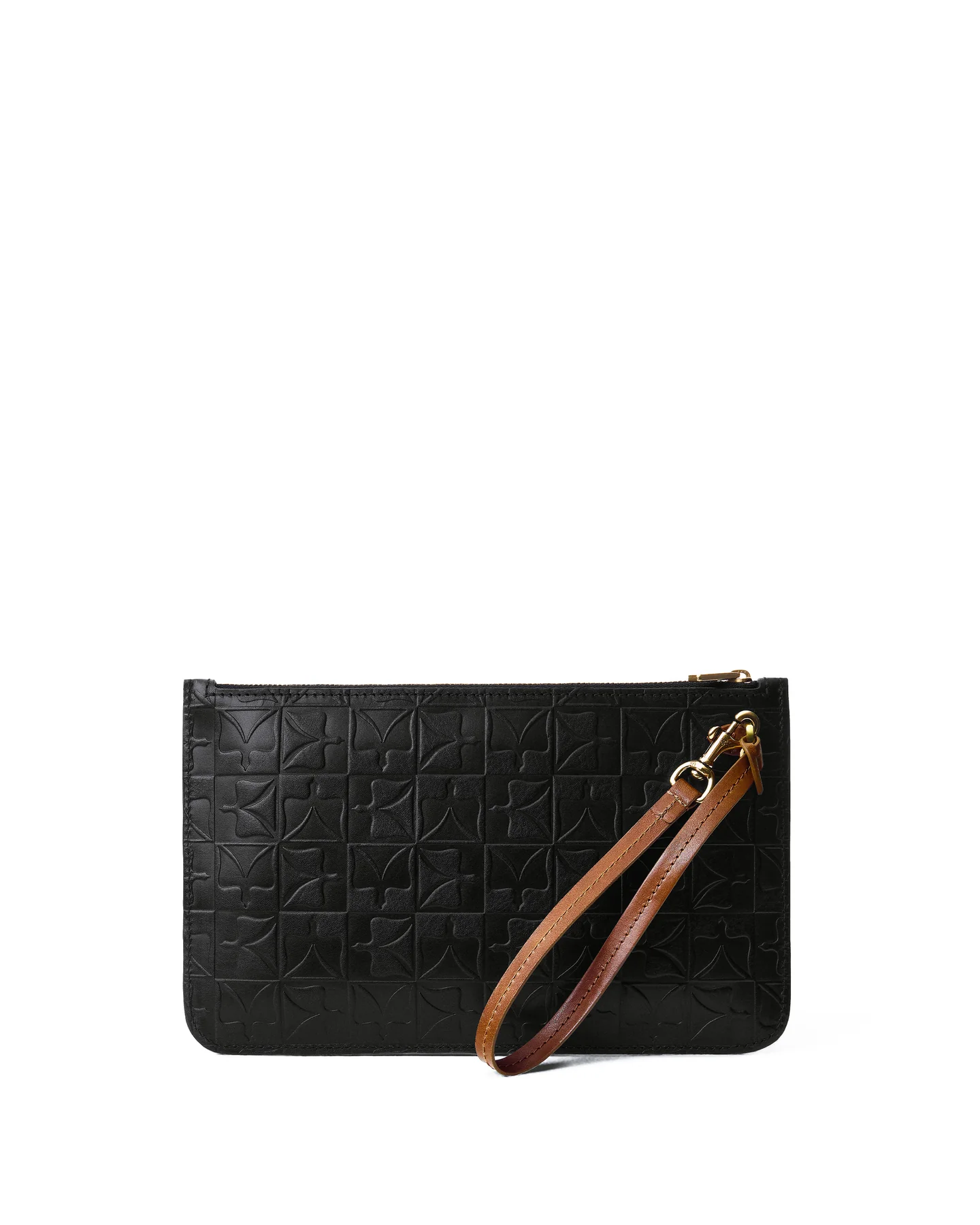
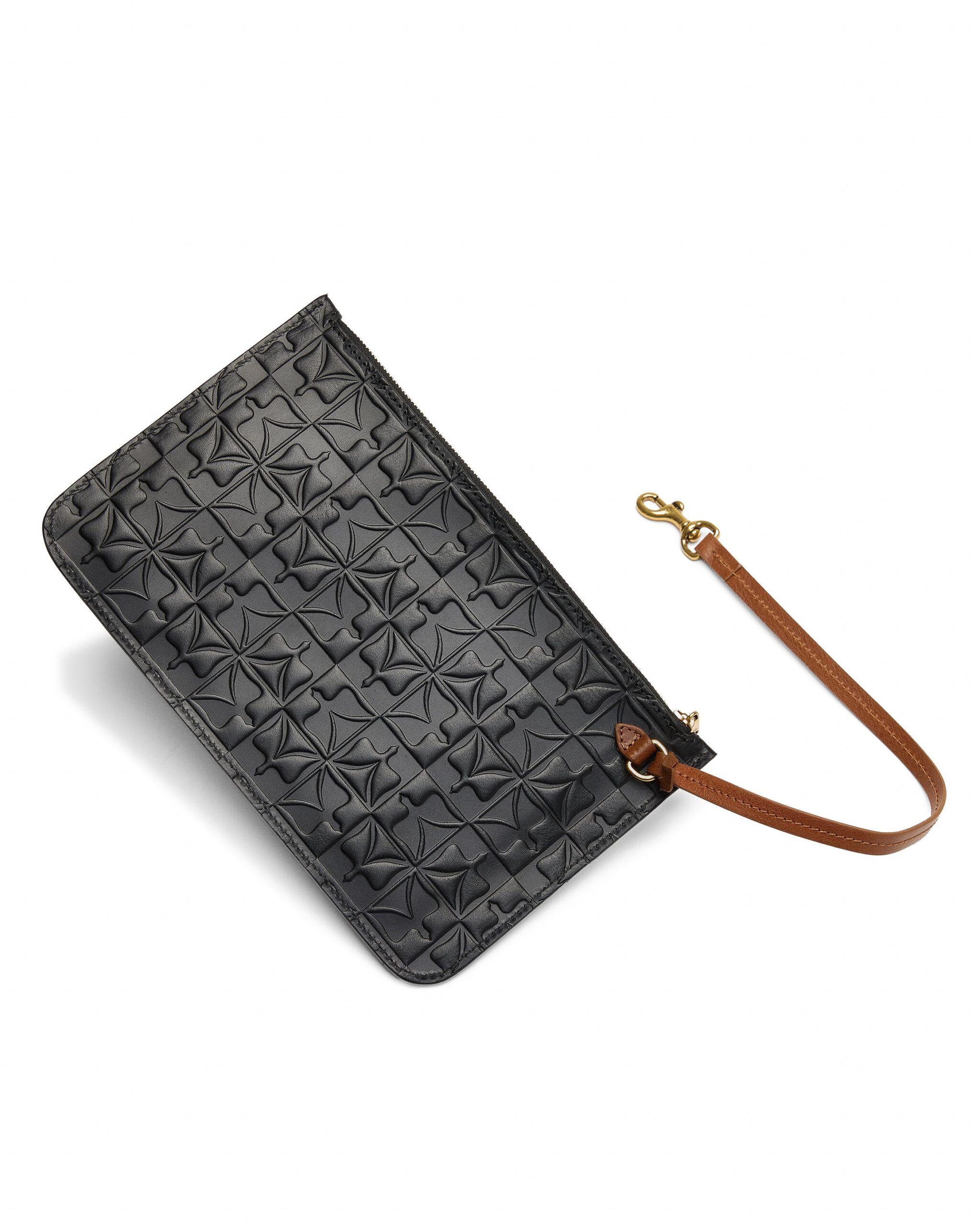
  • Maison Veni Sarah clutch in black embossed leather with a tan leather wrist strap

    Sarah Clutch

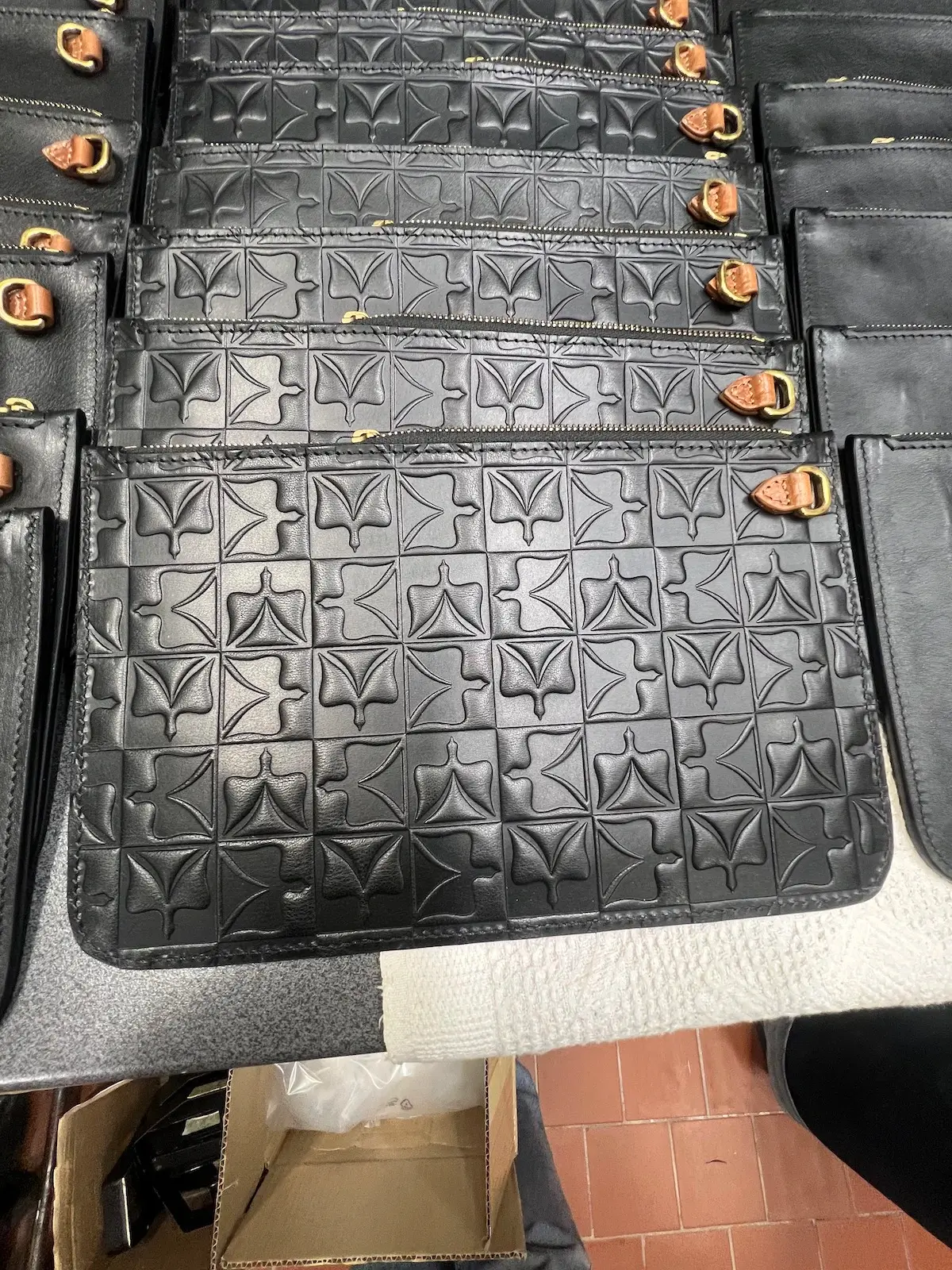
    A structured clutch with the brand's Heritage Dove pattern embossed across the whole surface, a removable wrist strap in contrasting tan, full zip closure and an interior pocket. The pattern is pressed with a plate made for this bag only.

    • Leather: black, embossed with a dedicated aluminium plate
    • Hardware: brass snap hook and zip, same finish as the range
    • Size: 18 × 30 cm
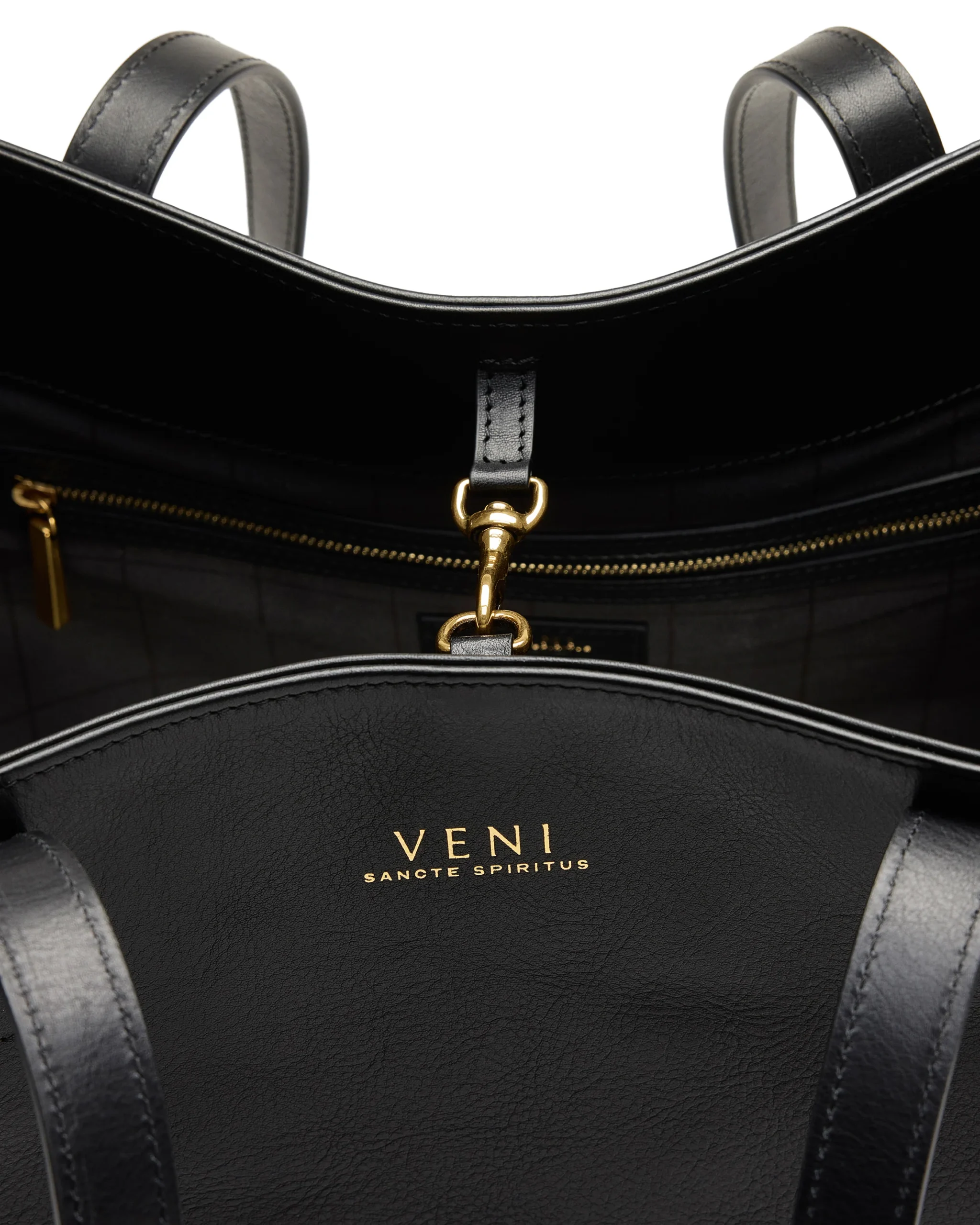
  • Rebekah tote interior: gold foil Veni logo and brass snap hook on the grid-printed lining
    Gold foil logo, brass hook, grid lining
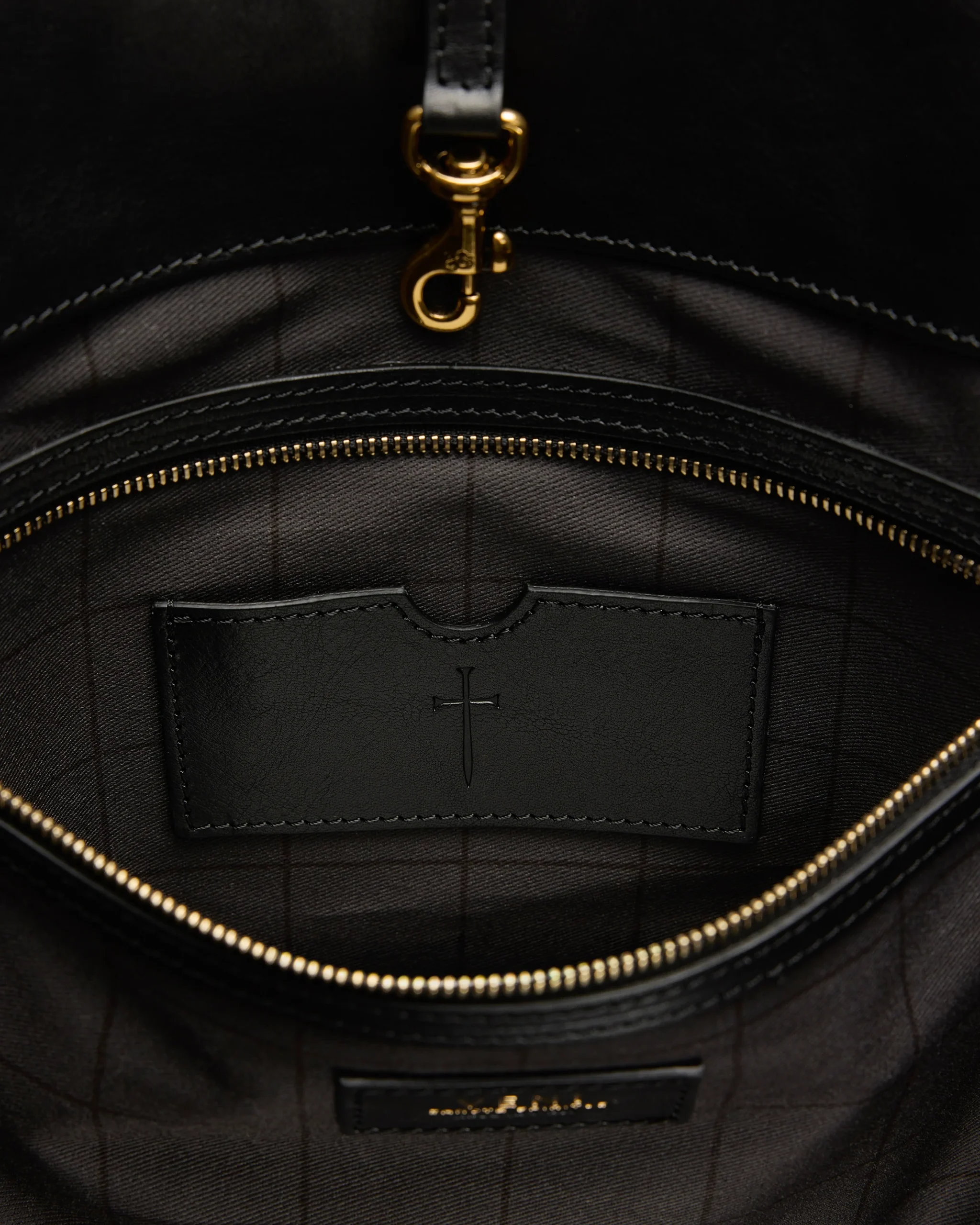
  • Rebekah tote interior: custom grid-printed lining and removable leather pocket
    Custom lining, every panel aligned to the grid
  • Hannah baguette interior: card pockets and gold Veni logo on bordeaux leather
    Hannah: card pockets raised so they never touch the base
  • Sarah clutch with the Heritage Dove embossed pattern and tan wrist strap
    Sarah: Heritage Dove emboss, tan strap
Develop your bag collection Leather goods from 50 pieces per style · how we manufacture bags
04Behind the scenes

How a first collection gets made when every part is custom

The finished bags look simple. Getting there meant one workshop, a tannery, a hardware maker, a plating shop in Tuscany, a zip supplier, a lining printer and a dust-bag maker, all moving on one schedule.

01Brief to prototype · Nov 2025 to Jan 2026

Start from the reference, not from a blank page

The brand shipped two things to the workshop before a single pattern was cut: a luxury tote it admired for the size of its zip pull and interior pocket, and the exact card that had to fit the card slot. The branding framework set the logo, the font with its manufacturer licence, the placement of every mark.

From there the workshop developed the model and built the first Rebekah prototype: side zips fully covered by leather flaps, a removable pocket, the cross debossed to the millimetre on the card slot. Costs were quoted line by line, including the one-off tooling, so the founder could approve each step before the next one started.
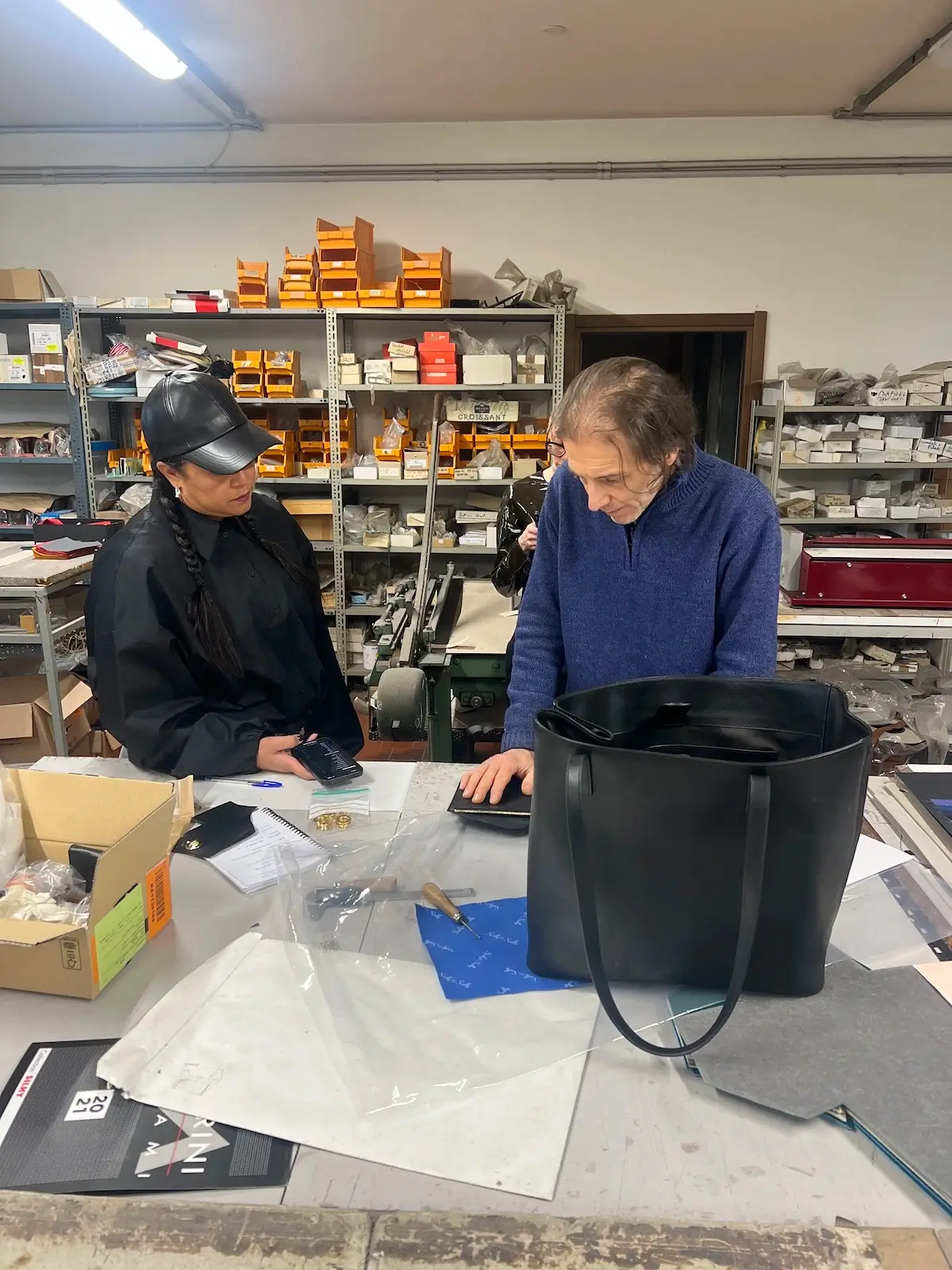
Inside the leather workshop outside Milan: two artisans review a finished Rebekah tote at the cutting table
The workshop, outside Milan
02The components · Dec 2025 to Apr 2026

Six suppliers, one specification

Nothing on these bags is a catalogue part. Each component had its own supplier, its own minimum and its own lead time, and Italian Artisan held all of them against the launch date.

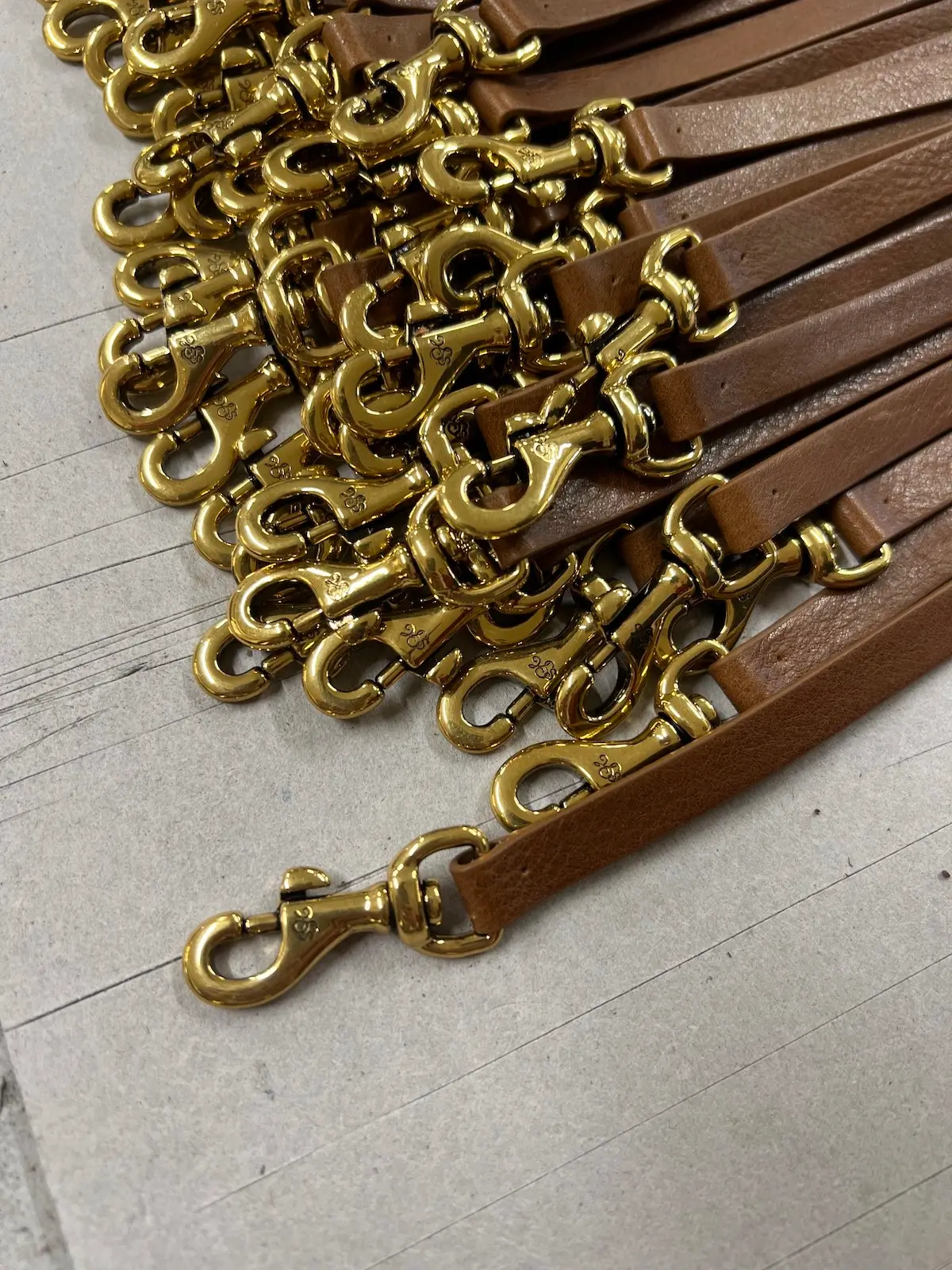
  • Hardware: brass zip pulls from the brand's own drawing, snap hooks, rings and plates, all engraved with the logo and plated in a palladium base with a gold top coat by a plating shop in Tuscany.
  • Zips: 504 zips in five lengths, in an antique brass finish matched to the hardware, made to order because the finish is not a stock item.
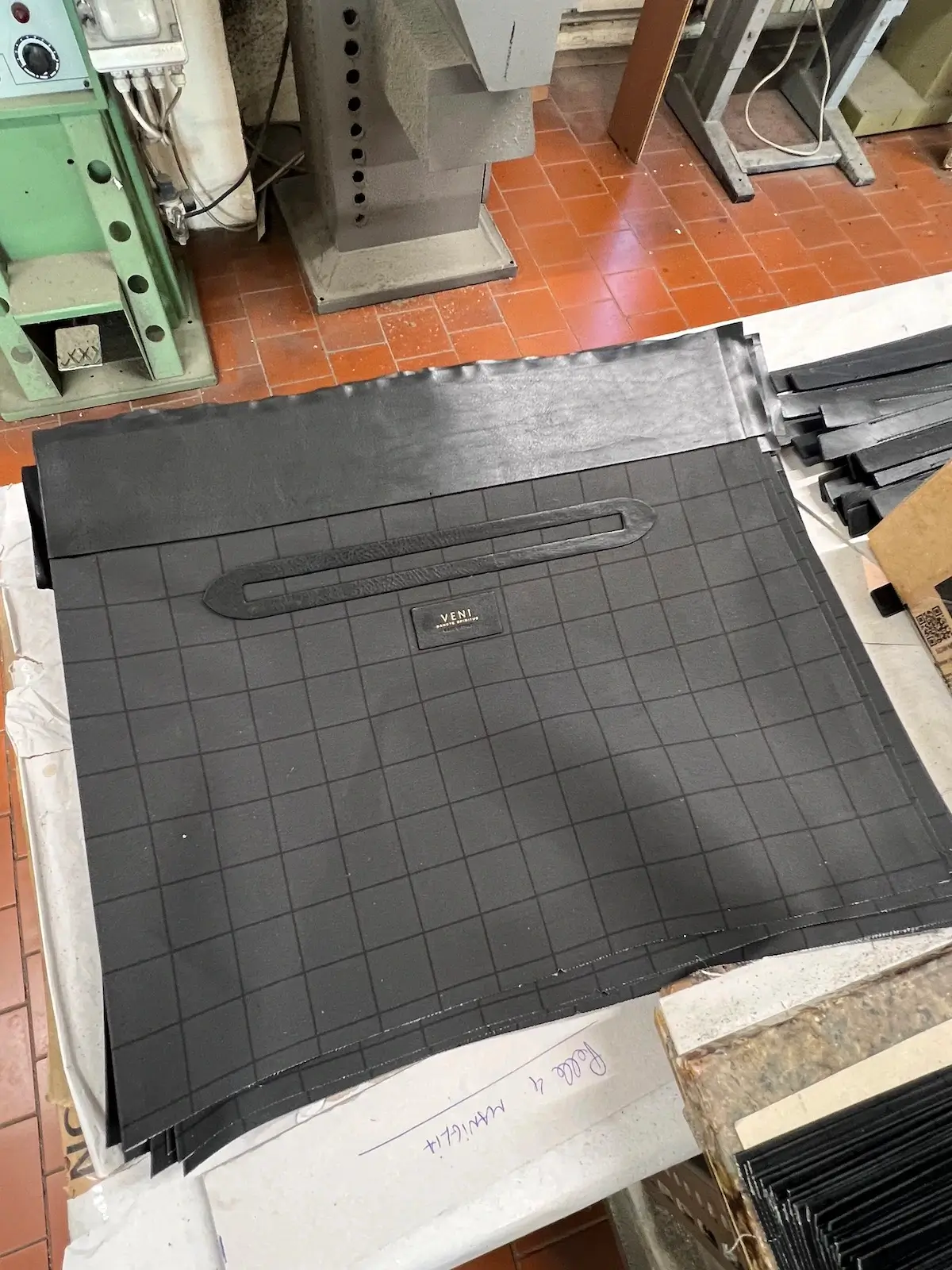
  • Lining: a grid-printed cotton produced for the brand, with an anti-fray finish that only runs at 20 metres minimum. The surplus from the prototype run covered production.
  • Branding: gold foil for the wordmark, blind deboss for Made in Italy, a hot-stamping mould re-cut half a millimetre deeper when the first samples showed uneven foil on the small letters.
  • Emboss plate: a dedicated aluminium plate for the Heritage Dove pattern on the clutch, a one-off cost that does not recur in production.
Brass snap hooks and zip pulls for Maison Veni, engraved and plated, laid out before assembly
Brass hardware, plated
Grid-printed lining panels cut and aligned on the workshop table
Lining panels, cut to the grid
03Shoot samples · Feb to Mar 2026

The samples that go to the shoot are the production bags

The founder's rule was simple: photography, influencer seeding and pre-orders would all run on samples, so the samples had to be identical to production. Three finished pieces per style were built for a March pickup in Milan, with the correct lining, the correct hardware and the correct logos, not stand-ins.

The baguette was rebuilt between the first and second prototype: a firmer top, pockets raised so they never touch the base, and a handle re-engineered around a hidden cord with doubled leather. One finished baguette stayed in the workshop as the reference every production piece was checked against.

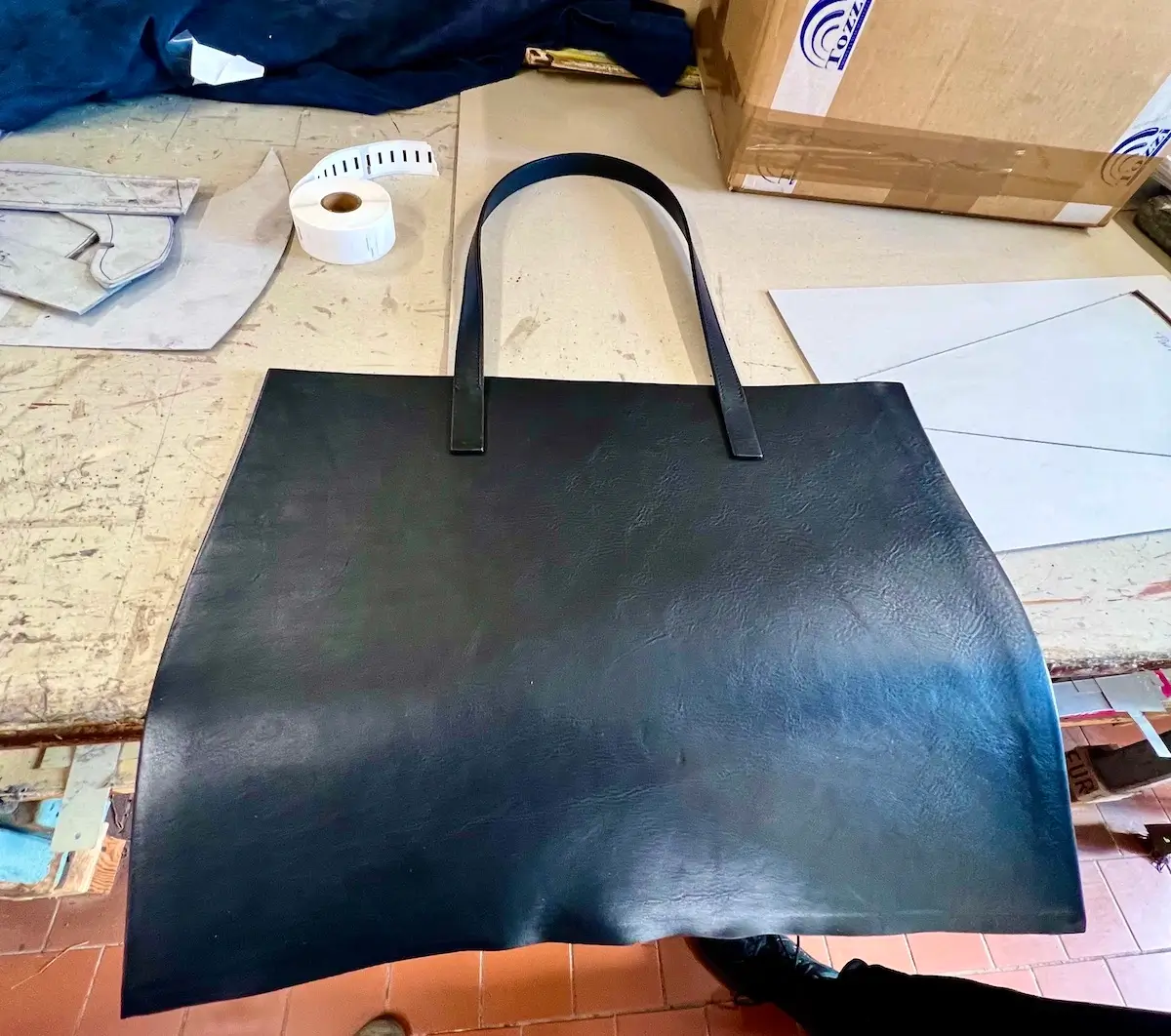
A cut panel of black matte Nebraska leather for the Rebekah tote on the workshop bench
Nebraska leather, cut
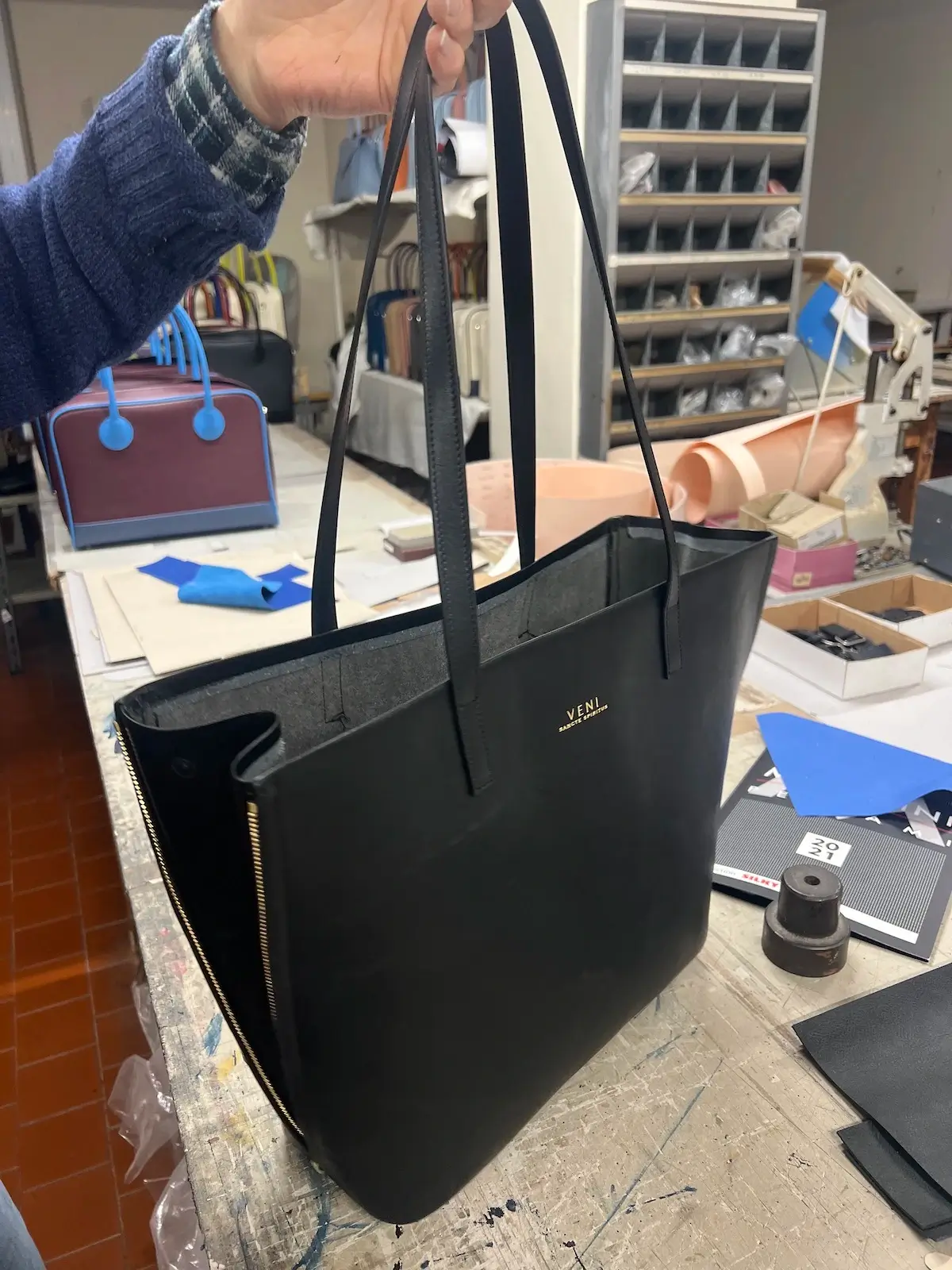
A finished Rebekah tote in the workshop, gold Veni logo on the front
Rebekah, ready for the shoot
04Production and QC · Apr to May 2026

Sixty-three per style, checked piece by piece

Production ran in one workshop, 63 pieces of each of the four styles. The brand's creative director came to Milan twice: once to sign off the handles and the lining alignment on the first finished pieces, and again for final quality control on the full batch before packing.

Two things went wrong and were fixed before anything shipped. The lining supplier could only guarantee the grid on the first row of each cut, so a shared alignment rule was written and every panel was checked against it. And a hardware importer replaced the snap hook with a different part without notice: Italian Artisan sourced, plated and engraved a replacement batch and re-fitted every tote already assembled.

Rows of embossed Heritage Dove clutch panels with brass hardware, laid out for assembly
Sarah clutch panels, embossed
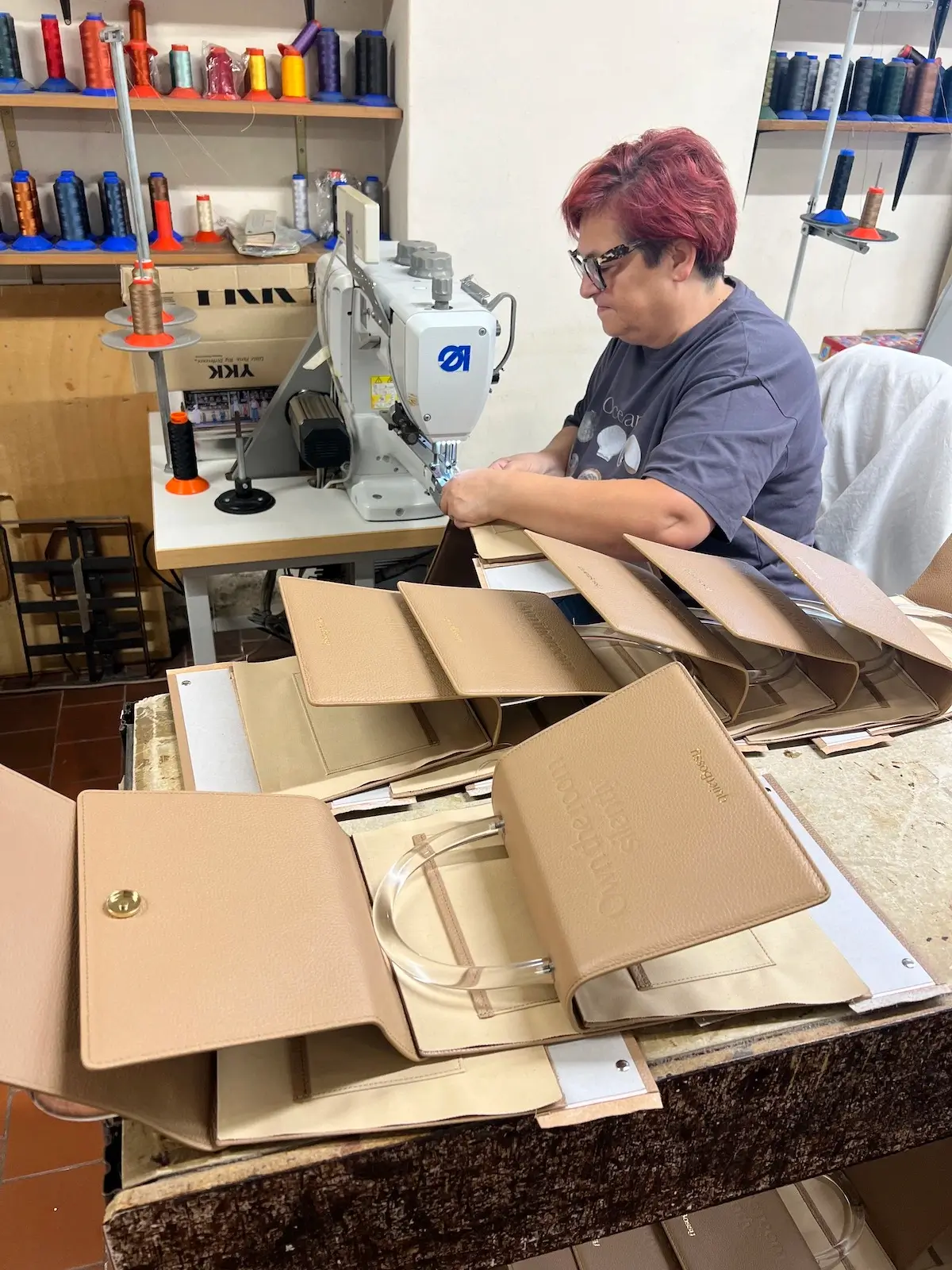
An artisan sewing Maison Veni components at an industrial machine in the workshop
Assembly, one operator per stage
05Delivery and after · Jun to Oct 2026

Landed in New Jersey, then straight into the second round

Twenty-six cartons left the workshop by DHL express with customs paperwork prepared by Italian Artisan, at a negotiated rate roughly half the list price, and reached the brand's warehouse in New Jersey in three days. The first bags had already been hand-carried to the US for the launch.

Within weeks the brand was back: a campaign shoot in Milan with the full set, then new colourways sampled for autumn, black for Hannah and a dark brown for Rebekah and the clutch, and a run of branded leather luggage tags and canvas shoppers for a brand activation event in California in October. Same workshop, same hardware, same people.

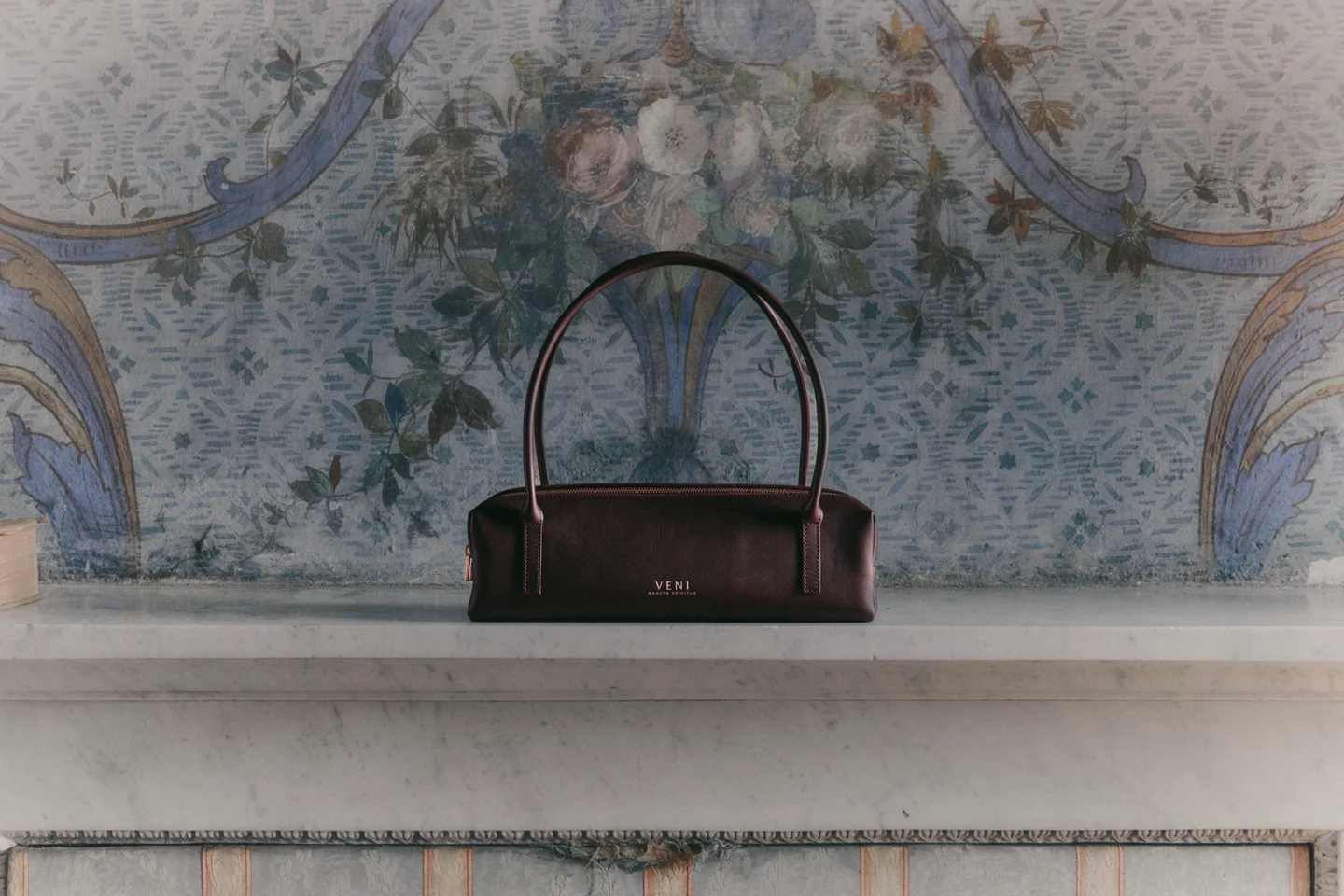
Maison Veni campaign, Milan: the Hannah baguette photographed on a marble shelf against a frescoed wall
Campaign, Milan, July 2026
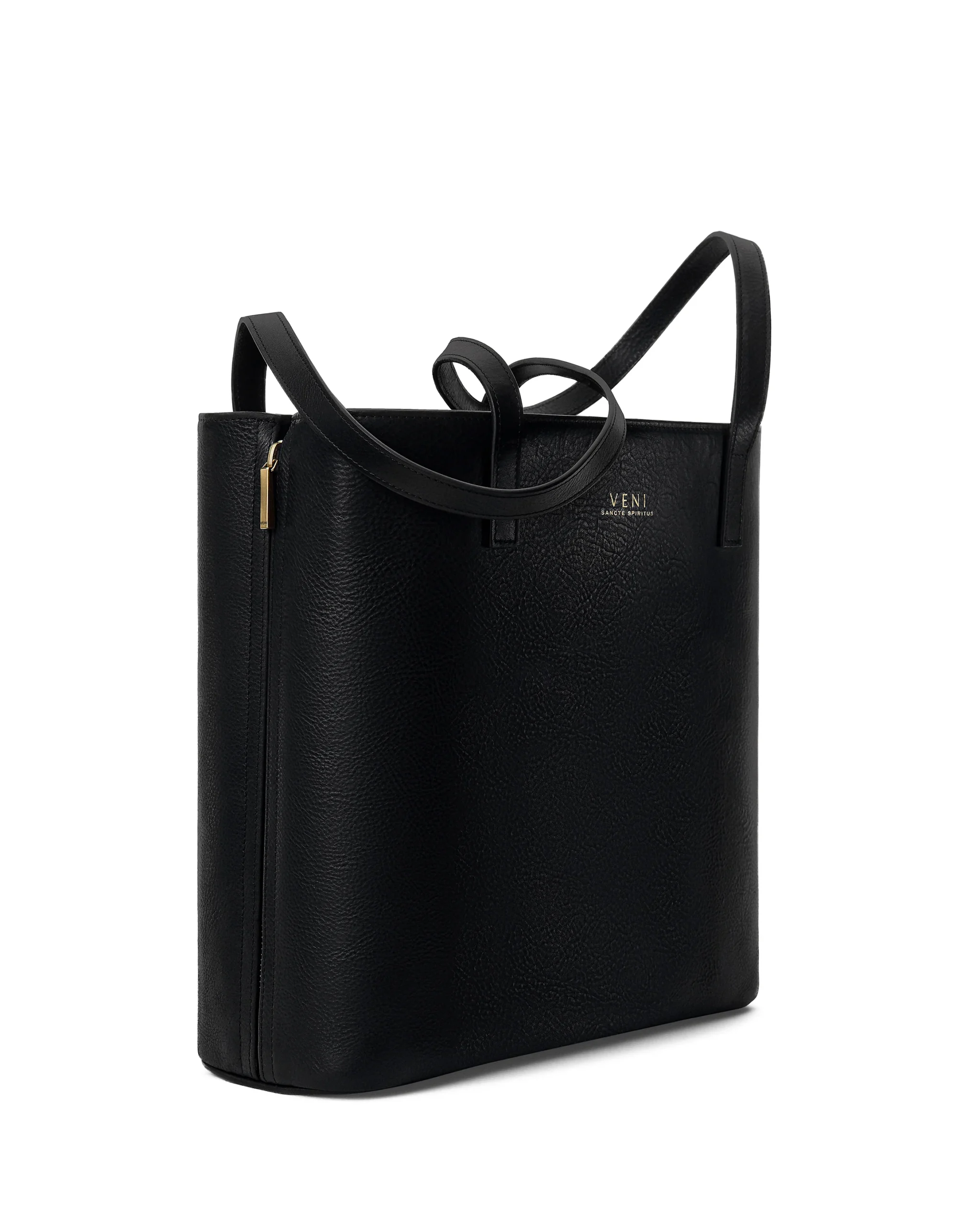
Rebekah tote in black leather, side view showing the zipped gussets and gold hardware
Rebekah, side zips open
05Timeline

Seven months, four phases

  1. Nov 2025 – Jan 2026

    Brief and first prototype

    Branding framework received, references shipped to the workshop, costs approved line by line, model developed, first Rebekah built.

  2. Feb – Mar 2026

    Refinement and shoot samples

    Baguette rebuilt, custom lining and hardware in, three finished pieces per style collected in Milan for photography.

  3. Apr – May 2026

    Production and on-site QC

    252 pieces made in one workshop, two visits by the brand's creative director, replacement hardware fitted before packing.

  4. Jun 2026

    Delivered to New Jersey

    26 cartons by DHL express, customs handled, landed in three days. Launch, then campaign shoot and second-round samples.

06What made it work

Four things we would tell any brand starting its first collection

  • One person answers for the whole chain

    The founder never chased a tannery, a plater or a courier. One project manager at Italian Artisan owned every supplier, every date and every invoice, and reported in one thread.

  • Every decision written down

    Logo placement, pocket height, lining alignment, handle width: each one confirmed in writing after the call that decided it. When a question came up months later, the record answered it.

  • Samples equal production

    Shoot samples were built with production materials and production tooling. What the campaign shows is what the client receives. It costs a little more up front and saves the launch.

  • Plan the second order inside the first

    Surplus lining, spare hardware for the next 60 bags, moulds and plates kept at the workshop. The new colourways for autumn started from stock, not from zero.

07In their words

What the founders said

  • “Thank you again to you and the team for everything you have done to help us get to this point. I am truly grateful for all of your support, hard work, and partnership throughout this process.”
    Candace CharbonnéFounder & CEO, Maison Veni
  • “You and your team have been instrumental in this journey and the creation of something beautiful that will bear fruit in the future.”
    Ross CharbonnéCo-founder, Maison Veni
08Results

Launched on time, and already on the second round

The collection went on sale in May 2026 at maisonveni.com. By September the brand had commissioned new colourways, event pieces and a second campaign, all produced by the same workshop.

  • 252bags delivered in the first run, 63 per style
  • 3 daysfrom the workshop to New Jersey by express courier
  • $795–2,200retail price range of the collection
  • 2ndround of styles and colours in development within 3 months of delivery
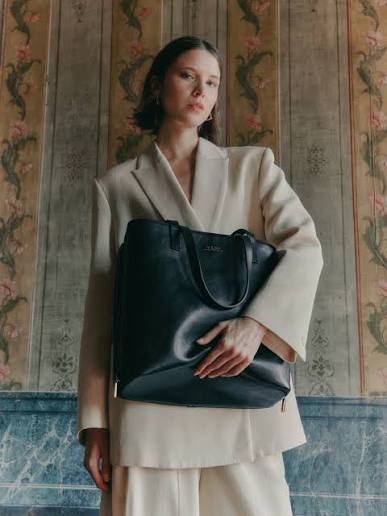
  • Maison Veni campaign: a model in a cream suit carries the Rebekah tote
  • Maison Veni campaign: a model holds the Sarah embossed clutch against a ruffled top
  • Maison Veni campaign: the Hannah baguette worn outdoors

Your first collection deserves the same process

Tell us about your bags, your volumes and your launch date. We come back within 1–3 business days with the right workshop, a cost structure and a plan.